
If you’re running a firearms shop right now, I bet you’re feeling the pinch.
Let’s be real — the firearms market isn’t exactly booming. You’ve probably noticed the shelves gathering a bit more dust than usual, and those AR-15s and tactical handguns that used to fly out the door are sitting there longer than expected. But don’t worry — you’re not alone in this.
What’s Going On?
First off, let’s talk about the current state of the firearms market. It’s rough out there. According to recent reports, retail firearm unit sales dropped by 9.6% year-over-year in the first quarter of 2025 alone, with revenue sliding even further at 11.5%. That’s not just a blip; it’s a trend that’s been building. Estimated gun sales have been on a downward slide every year since the peak in 2020, and by Q1 of 2025, we’re looking at about 5.2 million units sold — still a big number, but way off the highs we saw during the pandemic frenzy. The summer months were particularly brutal, with the steepest quarterly drops in over a year, affecting everything from rifles to handguns and shotguns. Q3 wasn’t much better, showing double-digit declines across the board. Even online sales, which have been a bright spot with a compound annual growth rate of about 3% over the past five years, aren’t enough to offset the overall slump.
For tactical retailers like you, who specialize in things like high-end AR platforms, suppressors, optics, accessories and gear, this hits hard. The market for these items boomed during uncertain times, but now? Sales are dipping below 1 million per month for the first time in six years. It’s a broad slowdown, with some states seeing steeper declines than others, and even popular models crashing in value from 2024 levels. If you’re stocking tactical rifles or accessories, you’re likely dealing with excess inventory that’s not moving as fast as it used to. So, why aren’t guns selling like they did a few years back? There are a few key reasons, and they’re interconnected.
Not to Get Political, But…
First, let’s address the elephant in the room: politics. Under a Republican administration like President Trump’s second term, there’s less fear of impending gun control legislation. Remember how sales spiked whenever there was talk of bans or restrictions? President Obama was often labeled “The greatest firearms salesman in history.” Well, with gun-friendly policies in place, that urgency has evaporated. Dealers are reporting that people just aren’t rushing in to stock up because they don’t feel like their rights are under immediate threat. It’s a classic pattern — sales often drop during GOP presidencies because the focus shifts elsewhere, and the “buy now before it’s too late” mentality fades.
Second, we’re seeing a post-pandemic “normalization.” The COVID-19 era brought in millions of new gun owners — almost 4 million in 2024 alone — but that surge has tapered off. Many folks who bought during the height of uncertainty have what they need now, leading to market saturation. Tactical items, in particular, saw huge demand for home defense and preparedness, but with things stabilizing, repeat buyers are fewer.
Third, economic factors are playing a big role, which ties into the broader state of the U.S. economy.
Suffice it to say, when wallets are tight, things like tactical firearms — often seen as discretionary purchases — get pushed to the back burner. Add in seasonal slowdowns, like the typical summer dip, and you’ve got a perfect storm for sluggish sales. Even though September saw a slight 2% uptick, it wasn’t enough to reverse the quarterly downturn. Overall, the industry is still above pre-pandemic levels, but the momentum is gone.
“It’s The Economy, Stupid”
Political strategist James Carville coined the phrase “It’s the economy, stupid” during Bill Clinton’s 1992 presidential campaign. That phrase resonates just as well today as it did then.
It’s impossible to talk about firearms and retail sales without considering the bigger picture.
In 2025, the U.S. economy was in a bit of a holding pattern — growth is there, but it’s uneven and cautious. Consumer spending, which drives about 70% of the economy, hit $16.4 trillion in Q2, up from the previous quarter. But dig a little deeper and you’ll see cracks, especially in discretionary areas.
Real consumer spending is projected to slow from 2.1% this year to just 1.4% in 2026, signaling a big cooldown. Is it any wonder why people are spending less on non-essentials like tactical gear? Inflation is also still lingering, even if it’s not as wild as a couple of years ago. Everyday costs for groceries, housing, and energy are eating into budgets, leaving less room for hobbies or gear upgrades. Consumer confidence is also mixed — while some reports show buoyant sentiment in sectors like consumer discretionary items on certain days, others highlight plans to cut back on major non-discretionary categories like housing and vehicles, which spills over to “luxuries.” Even optimistic consumers are reining in, with spending intentions dropping across discretionary items.
Policy turbulence is another factor — interest rates have been high (or at least much higher than in the recent past), making big purchases like homes or cars (and by extension, fun stuff like new rifles) less appealing. The job market is solid to slowing, but wage growth isn’t keeping pace with costs for many, leading to more constrained choices.
Discretionary spending sentiment is recovering slowly, but it’s certainly not back to pre-2020 levels. For firearms, which can run from hundreds to thousands of dollars PLUS the money spent on accessories like optics and ammo, this means potential buyers are prioritizing essentials over that new optic or suppressor. It’s not that interest is gone — people still love the hobby — but their wallet says “not right now.”
It’s Time to Take Massive Action
Alright, enough doom and gloom.
You’re here for solutions, right? Let’s get into the meat of it — how you, as a retailer, can take action now to increase sales even when it feels like no one’s buying. Here are six ways you can turn things around, each with practical tips you can implement today. These aren’t pie-in-the-sky ideas — they’re grounded in what works in tough markets.
Run Store Clearance Sales to Move Inventory Fast
If you’ve got stock piling up, don’t let it sit — slash prices and clear it out. Think big signs in the window: “Massive Clearance on Tactical Rifles — Up to 30% Off!” This creates urgency and attracts bargain hunters who might not have walked in otherwise. For example, bundle older AR models with accessories like magazines or slings at a deep discount. Not only does this free up cash flow for new inventory, but it also brings people through the door who might buy add-ons. In a slow market, clearance sales can turn dead stock into quick revenue, and they’ve been a go-to for retailers facing similar slumps.
Offer Limited-Time Discount Promotions to Spark Impulse Buys
Similar to clearances but with a twist — make them time-bound to build FOMO (fear of missing out). Announce a “Weekend Warrior Special: 20% Off All Tactical Handguns This Saturday Only!” or “Flash Sale on Optics: Buy One, Get 50% Off the Second.” Promote these via social media, email blasts, and in-store flyers. The key to motivating purchases is scarcity — or at least the perception of it. People hate missing deals, especially on high-margin items like suppressors, scopes or red-dots. This tactic works because it encourages quick decisions in a market where buyers are hesitant, potentially boosting your average transaction value.
Market to Existing and Previous Customers for Repeat Business
Remember — there are only three ways to make more money in business: Sell to more customers, sell more to existing customers, or raise your prices.
The third won’t do well right now, but…
Your best customers are the ones you’ve already sold to — don’t forget them! Build an email list or use a CRM to send personalized offers like “Hey John, Remember that AR you bought last year? Upgrade your sights with 15% off just for you.” Run loyalty program specials: “Buy five boxes of ammo, get the sixth free.” Text previous buyers about exclusive events, like a members-only preview of new tactical gear. This is gold because repeat customers spend more and cost less to acquire. In tough times, nurturing these relationships can bring in steady revenue without chasing new leads.
Diversify Your Product Line to Capture Broader Interests
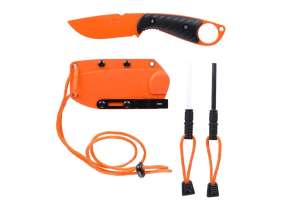
If tactical firearms are slow, expand into related areas that are still hot. Add more everyday carry items, training classes, or even non-firearm tactical items like knives, flashlights, or survival gear. Partner with local ranges for bundled packages: “Buy a handgun, get a free intro class.” This widens your appeal and turns your shop into a one-stop tactical hub.
Don’t forget that there’s also riches in niches. Add women’s and youth products and accessories, or partner with someone that already does. With the market shifting, niches like women’s self-defense or youth programs could tap into underserved segments, helping offset the core sales dip.
Boost Your Online Presence and E-Commerce Game
If foot traffic is down, go digital. Optimize your website for e-commerce — list those tactical accessories with high-quality photos and descriptions. Use SEO for terms like “best AR-15 upgrades 2026” to draw traffic. Run targeted ads on platforms like Facebook or Instagram, focusing on local audiences interested in shooting sports. Even if in-store traffic is slow, online can pick up slack, especially since online gun and ammo sales are still growing. It also works 24/7 — something you can’t (and shouldn’t) do. Offer curbside pickup or shipping where legal to make it easy.
Host Events and Build Community to Drive Engagement
Turn your store into a gathering spot. Organize free seminars on “Tactical Reloading Tips” or “Choosing the Right Suppressor.” Partner with influencers or local clubs for meetups. These events don’t cost much but build loyalty and often lead to sales — someone comes for the talk and leaves with a new holster. In a down market, community keeps your brand top-of-mind and differentiates you from big-box competitors.
Implementing these ideas isn’t rocket science, but consistency is key. Start small: pick two or three, track results, and adjust. For instance, after a clearance sale, follow up with emails to buyers for feedback and upsells. Remember, the market might be tough, but resilient retailers who adapt come out stronger.
Yeah, 2026 is challenging for tactical shops with sales down and the economy making folks cautious, but by understanding the whys and taking proactive steps like clearances, discounts, and customer outreach, you can weather this storm.
Perhaps most importantly, hang in there. Markets cycle, and with smart moves, you’ll be ready for the upswing.