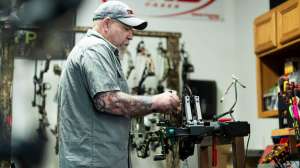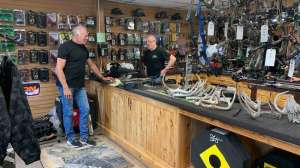

Archery shops are just for archery gear, right? Well, if you think about it, yes and no.
Most folks walking into a pro shop want a new bow, arrows, maybe an arrow rest or sight, a pack of broadheads, or need a simple repair done on their bow setup. This probably covers 90% of the shop’s customer base. Whereas the other 10% may visit a shop for some other miscellaneous items, such as a peep sight, string silencers, loop material, arrow inserts, vanes and glue, or broadhead replacement blades — those small knickknacks that are almost always hard to find at regular sporting goods stores.
So that’s why archery shops exist. But there’s a plethora of other archery and bowhunting gear that can help boost sales while also providing a true service to the customer. Here’s a look at the most popular categories and how they can be a great addition to your showroom.
Bow and Arrow Protective Cases
A great “tie in” to any bow sale is a heavily padded soft or hard bow case. Without a bow case, the archer’s rig is vulnerable to damage, particularly to the bowstrings and bowsight. This can cause tuning and aiming problems and lead to missed shots or crippled game. For this reason, it’s a must-have item!
Both types of cases are handy to have, depending on the hunter’s needs. However, 90% of the time, when I’m traveling to hunting spots via vehicle, I prefer a soft bow case. This type of case is easy to use — you simply zip it open, slide in the bow, and zip it up — bow quiver and all. It’s fast, smooth and perfect for placing your bow in the cab of the truck (or an enclosed truck bed), keeping it fully protected and very accessible.
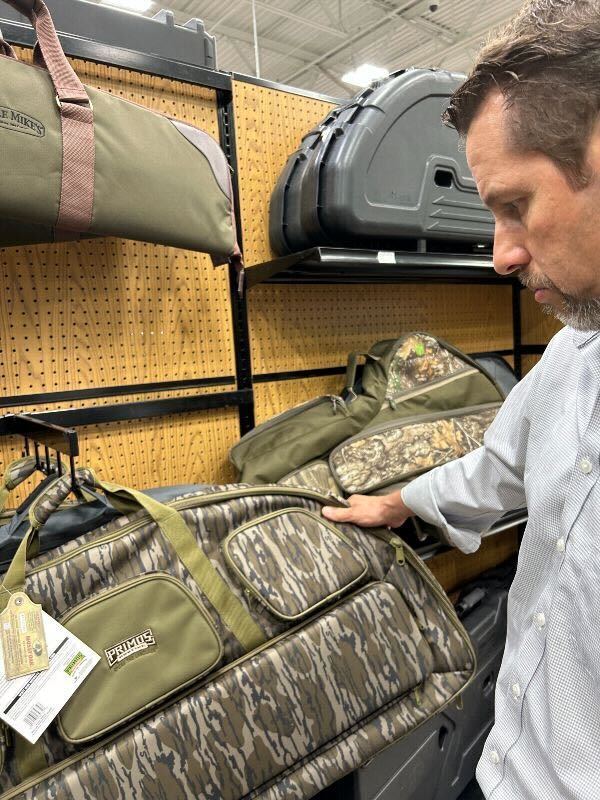
“A brand-new bow setup can cost nearly $2,000,” said Jim Velazquez, a longtime bowhunter and 50-year archery shop veteran. “So, it’s important to include a soft case in the sale. Once you explain the benefits, the customer will quickly be on board, and they’ll buy it.”
Hard cases are handy as well, but tend to be much more bulky, somewhat noisy to operate, and overall, less user-friendly. Besides, I’ve never had a bow get damaged once while riding in a top-quality soft case, despite more than 30 years of bowhunting. There’s a wide assortment of high-quality soft bow cases on the market. Some of the top brands include Badlands, Easton, Hoyt, Mathews, Primos, RGD and SKB. Give them a serious look and determine which ones are right for your shop and customers.
If I plan on flying to my destination, I’ll switch to a solid hard case. I’ve used SKB models with great success. This type of case is ultra durable, so my setup remains unscathed, despite all the rough-and-tumble travel.
I sometimes pack my bow into a large, wheeled duffel, padded all around using bowhunting garments. This works well, too, depending on the situation. The Hoyt Payload Rolling Duffel is an excellent choice for carrying a compound and a decent amount of luggage in one package; it measures 40 inches long, 16 inches wide and 10 inches deep.
Arrow cases are vital as well. Before any hunt, I spend a lot of time making sure my broadheads align perfectly with the arrows’ inserts. In fact, I spin check and shoot every arrow I hunt with out to 40 or 50 yards before it goes into my bow or hip quiver. Once I know the arrow hits dead on, I replace the broadhead’s blades with fresh ones or touch them up using a sharpener (depending on the broadhead I’m using). I like to have 8 to 12 complete arrows — accuracy checked and all — prior to deer and elk season, so all I have to do is grab arrows, load them in my quiver, and go. A lightweight but stout arrow case is necessary for storing these finely tuned projectiles.
Lakewood, MTM, Plano, SKB and others make great arrow cases to keep broadhead-tipped arrows safe and protected. For the past 10 years or so, I’ve used Lakewood’s Arrow Case with outstanding results. It’s rigid on the inside but soft on the outside, so it slips quietly inside my bow case’s outer pocket, or it can be packed alongside other gear in the cab of the truck. It’s invaluable for all my bowhunting travels.
Bowhunting Optics
At some point, binoculars and rangefinders become tired and hard to look through — they are more or less ready to retire. This becomes more obvious when you look through the latest-and-greatest offerings available today. New optics come with innovative features, such as smooth-focusing dials, comfortable ergonomics, and crisp, refreshing sight pictures. They make a great sale for those folks preparing for hunting season.
For this reason, stocking up on optics is a wise investment, but be careful, warns Velazquez, as purchasing too many high-end models could leave you with unsold inventory and a loss in profit.
“Special dealer programs offer the most bang for your buck,” said Velazquez. “Such programs let retailers display an assortment of bowhunting optics, while still keeping inventory levels low, so you aren’t stuck with too many units at the end of the season.
“For example, with the Vortex Program, you’ll get a number of different binoculars — from 8, 10 and 12-power, as well as a selection of rangefinding binoculars and rangefinders — so customers can test different units and settle on what they need. Once units sell and inventory gets low, the program allows ordering additional units directly from the manufacturer, all at a low cost and with quick delivery. This keeps you stocked up and ready to support customers. It works really well.”
Generally speaking, mid-range binoculars ($200 to $500) and rangefinders ($200 to $300) will be your bestsellers, says Velazquez, and he suggests having two to three units in back stock for every one on display. Two great mid-grade binoculars are Vortex’s Diamondback HD 8x42 and Nikon’s Monarch M7 10x42. Both of these binoculars are superb with excellent resolution and image brightness without exceeding $500.
“I consider rangefinders a must,” added Velazquez. “They make bowhunting lethal . . . and more ethical. Every bowhunter needs one. Keep several on hand so customers can look them over — and once they do, the rangefinders will go quickly.”
Cutlery Items and Game Bags
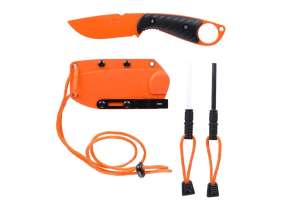
Some of the best items to stock during the peak of the hunting season are knives, saws and game bags. I can’t tell you how many times I’ve bought a saw and a couple packs of game bags prior to my mule deer and elk hunts. I consider a lightweight saw a must in the backcountry. It allows me to cut through a deer’s or elk’s skull plate and trim off quartered leg bones — shedding weight. Remember, successful western hunting usually means hauling meat and antlers many miles back to the truck, so every ounce counts! A $20 to $40 packable saw becomes priceless in this kind of scenario. I’ve used Outdoor Edge’s GrizSaw and Gerber’s Exchange A Blade Saw with outstanding results; both are lightweight and cut quickly through bone.
Bowhunters are prone to losing knives in the field — they often fall out of daypacks and get misplaced in brush or in tall grass during field dressing and skinning. They also get wrecked from improper use, especially when nicking bone really hard. Many hunters favor today’s replaceable-blade knives, too, so it’s smart practice to keep complete knives and blade replacements on hand.
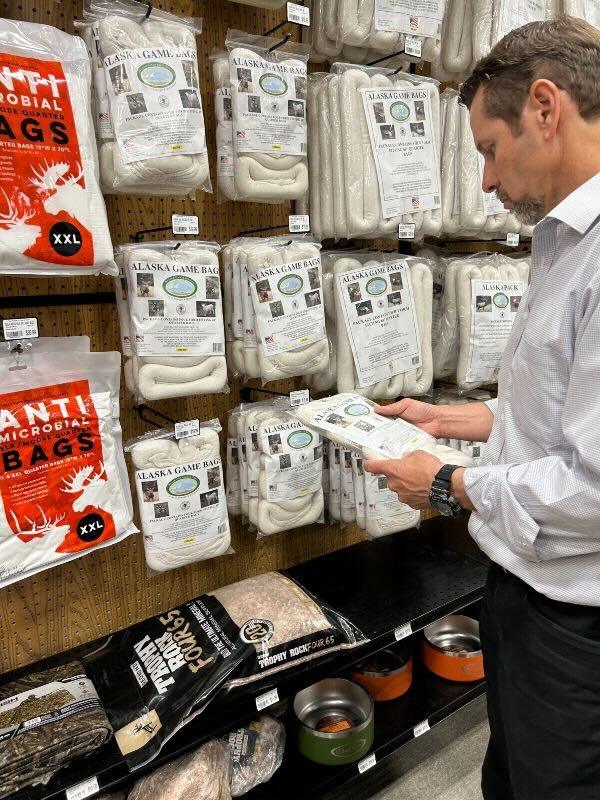
Game bags, particularly for western bowhunting, become an absolute necessity to ward off flies, bees and wasps from ruining meat after it’s quartered and hanging. Game bags come in a wide variety of grades and fabrics, with the lightest, strongest fabrics carrying the highest price tags. Do your research, study your customer demographics, and stock up on the most practical options.
Alaska Game Bags offer an outstanding value — these bags are lightweight, strong and can even be reused if cared for properly. Best of all, they are affordable. For customers who want the lightest, strongest game bags available for season-after-season use, consider higher grade bags by Argali, Caribou Gear and Mystery Ranch, to name a few.
Apparel, Footwear and Backpacks
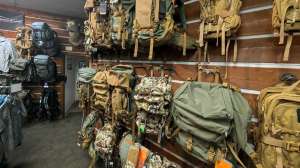
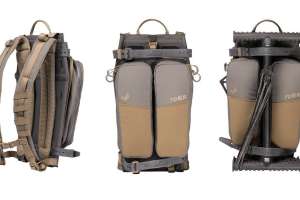
When I was a beginning bowhunter, I visited a number of archery shops that carried hunting clothing, boots and backpacks. These items were specialized and hard to find in big-box stores and even through mail-order retailers. Nowadays, with the power of the internet, virtually anything and everything under the sun is at our disposal, including the most specialized hunting clothes and boots.
Velazquez believes that stocking certain soft goods such as hunting clothing, boots and backpacks aren’t a mistake, but you must use caution when building up inventory.
“High-priced garments can be risky, not that they aren’t worth it, but customers are often brand loyal and may want a specific camouflage pattern to go along with their other clothing items,” said Velazquez. “This makes them a tough sell for many customers.”
A safer bet is to consider hunting garments, footwear and backpacks at modest price points — stuff that doesn’t break the bank, so shoppers don’t feel the agony of a big purchase and are more apt to do a quick grab and buy it. This will help items sell quickly, rather than collecting dust.
Lightweight raingear can be another worthwhile inventory item. Weather can change on a dime, and if a customer is in for a pack of broadheads, they may reach for a poncho or rain jacket all at the last minute — or risk freezing and ruining their hunt. The same goes for gloves, vests, balaclavas and hand warmers. These items will fly off the shelves when the time is right.
Deer Calls, Scent-Elimination Sprays and Treestand Accessories
Grunt, doe and fawn bleat calls are essential for every whitetail hunter — and sometimes for the western hunter, too. Blacktail and Coues deer are known to respond to calls as well, helping bowhunters seal the deal. These items are fairly inexpensive and move quickly when the rut is in full swing, so keep them stocked up right next to the raingear, gloves and handwarmers.
The same can be said for scent-elimination products from companies such as Dead Down Wind and Wildlife Research Center. These laundry detergents, soaps, shampoos, wipes and sprays could give your customers an edge when pursuing wary, hard-to-kill bucks. All of these products are reasonably priced so they are great tie-in sales, so don’t forget to explain the benefits of hunting as scent-free as possible.
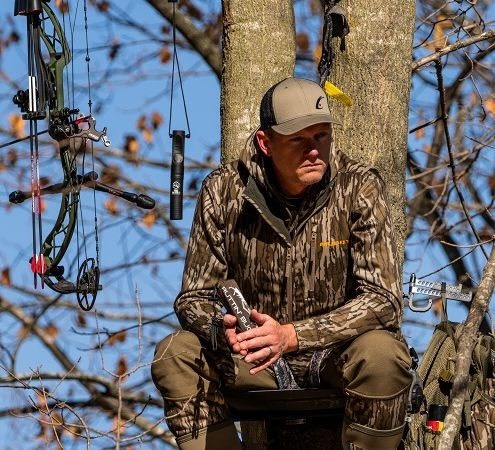
Bow hooks and pull-up ropes may seem miniscule to some, but if these items are forgotten on the morning of the hunt, you’ll be in for big trouble. Every customer should have one or two spares of these inexpensive accessories, so keep them on hand and right next to the cash register! They are that important.
Final Thoughts
Carrying ancillary gear in your shop can help improve your customers’ success afield and add satisfaction to the shopping experience. As long as you stock up on what’s needed — all at the right time of the year — the benefits will surely outweigh the risks, creating a win-win for you and your loyal customers.
Sidebar: Know Your Customers and Sell More Gear
My friend Jim Velazquez, a pro shop veteran, believes archery retail success comes down to three things: keeping the customer happy, managing inventory levels appropriately, and learning to be a true salesman. The salesman factor is especially important, he said, and it helps you sell more gear, especially those secondary items. His approach is simple, without making the customer feel awkward during the sales conversation.
“I like to get to know the customer and learn how they hunt, so I can help them become better at the sport,” said Velazquez. “With this approach, I’m not just selling. I’m actually having a meaningful conversation with the customer. It allows me to sell more effectively, without being unnatural.
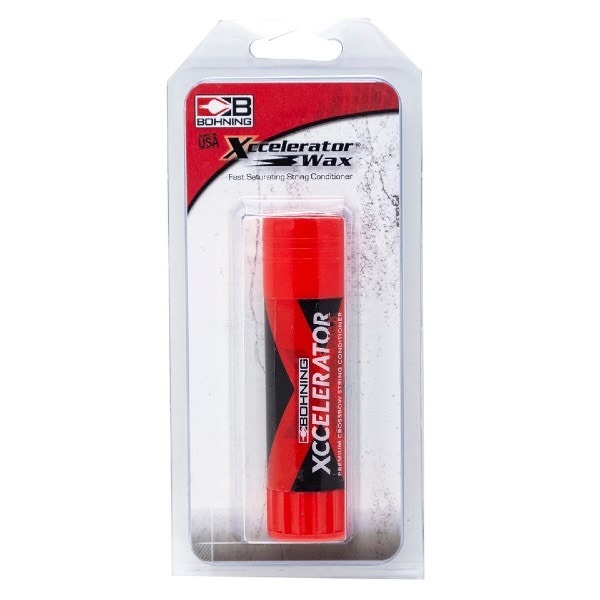
“For example, with every new bow that goes out the door, I strive to sell a stick of bowstring wax with that purchase. That stick of wax may cost a couple of dollars wholesale, but you can turn around and sell it for $9.99. It’s a great sales booster, all while providing a worthwhile service to the customer. That stick of wax will keep a customer’s bow shooting smoothly and on target, all for a minor cost.
“Same goes with customers who use rubber tubing on their peep sight, to keep it aligned at full draw. These can break during a hunt, due to exposure to the sun, weather or if they happen to snag it on brush. Never let your customer leave without picking up an extra one for his bow case or archery tool kit. This will keep them well prepared and happy. They’ll especially be thankful if it happens to break during a hunt and you suggested it.”
By knowing the customer better, Velazquez believes customers will appreciate the attention and feel more supported and will often respond by buying more gear. Give it a try!