
Digital this, AI that.
Sure, those are viable channels, but anyone who tells you those are the only channels that matter is wrong. Flatly, and 100%. This is a hill upon which I will happily die.
Good marketing is omnichannel. It’s everywhere. And before you start thinking that there’s no way your store can afford a multi-channel advertising plan, hear me out. It may require some reallocation, but that doesn’t mean you can’t build the plan out.
What does “going old school” mean, what are the mediums you should be considering, and what do those campaigns look like?
Going Old School
For me, and the purposes of this discussion, old-school advertising is anything that doesn’t revolve around digital advertising served on a computer or mobile device. While there is certainly value to advertising on digital platforms, it’s become the thing that everyone does, which means, it’s the thing that everyone does.
There’s a fine line between “we need to do it this way to reach our audience” and “we’re all fighting over the same people and ignoring everyone else.”
The value of advertising isn’t in the advertising itself, but in the buying power of and brand awareness created with the people who see or hear the advertising. Couple that with people who do marketing so often getting caught in the trap of forgetting what marketing they respond to when they’re actually doing it, and you have a thought process that not a lot of shops are taking advantage of.
So why not give it a shot?
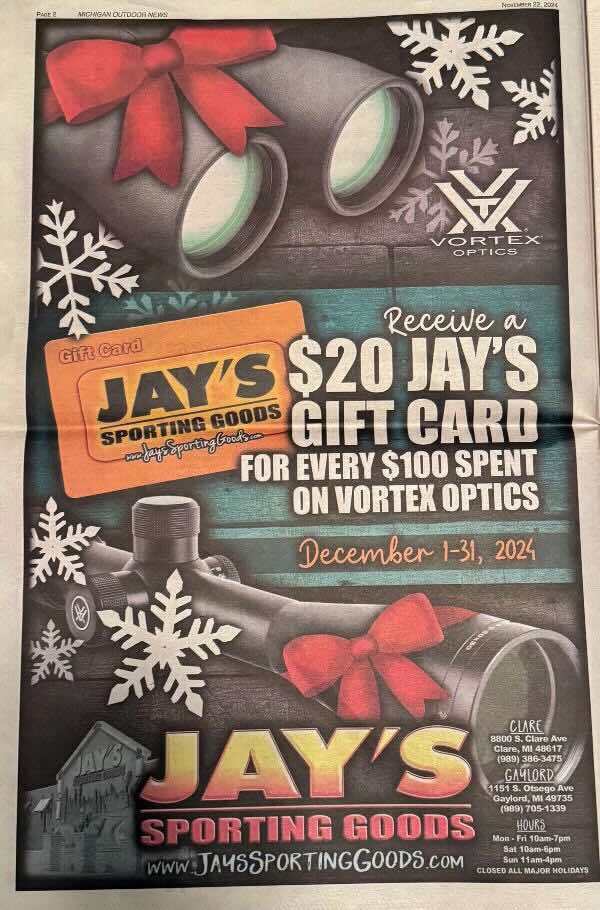
Does Print Matter, Locally?
When talking to people about local print, a common response is often, “but our town doesn’t even have a regular newspaper anymore!” While it’s true that many newspapers in smaller towns have gone away, that isn’t your only option for local print advertising.
I would argue, if your area does still have a newspaper, it should be something you should consider, but what are some other options when talking about print advertising?
Do you have a local print marketplace-style book? Does your county or area have a Penny Saver or Money Saver?
These are great options, for a couple reasons. First, people looking at these are in a shopping mindset. That may not seem like a big deal, but it’s the first roadblock you have to cross to get someone to consider your shop. If they’re already thinking about something they want or need, even if it isn’t hunting or archery related, they are shopping.
By interacting with that potential customer when they are shopping, and maybe distracting them with a well-designed ad, they may be more receptive.
“Oh yeah, I need to replace my arrows before hunting season…”
That’s a win.
Print reminds people that you’re around. A fairly consistent print campaign in a local paper can be affordable, and when focusing on awareness, should revolve around the brands you carry.
The bonus here is you may be able to get some of your partner brands to let you use an advertising allowance on this type of an ad to make it easier for you to afford.
You can do a splashier ad if there’s a sale coming, or you want to highlight some product in particular, but for me, print is best used to reinforce general awareness.

Can I Afford Television?
The perception about television advertising is it’s expensive. While it can be, it doesn’t have to be. There are a lot of factors that go into what makes television expensive, the biggest of which is audience size.
Buying the first commercial break of the local evening news just costs less in Paducah, Kentucky, than it does in Dallas, Texas.
If your shop is in the outskirts of Dallas, then TV may not be right for you.
If you’re in Paducah, you just might be in luck.
There are roughly 200 DMAs (Designated Market Areas) in the country. To get an idea of where some cities rank, Dallas/Fort Worth is No. 4; Kansas City is 33; Huntsville is 75; Fort Wayne is 110; Joplin is 151.
The smaller the market you’re advertising in, the cheaper it is. Mass market media rates are calculated off something called CPM, or cost per 1,000. As a full-time marketer, my life revolves around efficient CPM media buys and returns on that spend. The advertising rate, or the C, for television in Dallas isn’t really all that different from the rate in Joplin, because both rates are based on CPM. The difference is that Dallas has a lot more Ms to charge for!
Local television networks can help you create a commercial, sometimes as part of your advertising run. When it comes to putting together your plan, they can help match your budget to the most effective plan as well.
You may not want to run television ads all the time, but if you have a promotional calendar set for the year, and some pre-peak season windows you want to hit, you can lock those in and run them alongside other advertising to amplify the reach and impact of those efforts.
Another thing to keep in mind when it comes to working with a local television station, is it may well be part of a bigger network. Nexstar, for example, has a huge network of local television stations across the country. Not that you need to advertise your shop in Wisconsin to folks in Georgia, but they have a robust digital team that can help build a strategy as well.
This team can help you be more efficient with the digital advertising you are doing, and as someone who buys a lot of media I can tell you, the more diverse the relationship the more negotiating you can do on the parts that matter to you the most.
Just something to keep in mind when it comes to building out those bigger campaigns at key times in the year.

Why Would I Choose Radio?
Radio still does a pretty good job of giving you an idea who you are talking to when you advertise there. I think you can tell a good bit more about a person by what music they listen to, rather than what TV they watch. No outlet is 100%, but I think radio does a pretty good job.
Knowing what you know about radio stations and their audiences in your area, you can probably narrow it down to the three or four stations that you think might be a good fit without putting much effort into it.
Radio is a great way to promote general awareness or to highlight an event or sale. Local radio stations will sometimes do remote visits to highlight an event if you have been advertising. If you have a 3-D shoot and sale that you advertise for two weeks leading up to the event, they may well send a truck and host out to your location on the day of the event to report from it.
I think this is where radio really shines, in the lead up to a major event to highlight that event. Rates can be reasonable enough for a general awareness campaign as well.
Billboards? Really?
OOH advertising, or out-of-home, can be a great way to highlight your shop. I know it doesn’t seem especially exciting, but our focus is effectiveness, not vanity.
I stay pretty connected to the shop scene in my area, and even still, I have been made aware of new shops in my area in recent years because of well-placed billboards on roads that I travel.
Talking about billboards with some folks, I’ve heard the “We’ve been here for years, everyone knows we’re here,” argument. The problem with this way of thinking is your customers might not have always been here. Their family might not be from here.
They might have no idea that you exist.
People move all the time. Jobs and opportunities take people to places they would never have guessed and away from everyone and everything they know. They are going to these new places and looking for new everything — new grocery stores, new parks, new mechanics.
New archery shops.
Billboards, especially secondary ones on state roads, can be highly affordable, like, pennies a day affordable. Anything that affordable makes a great place to anchor a traditional marketing plan to your local area.
Advertising Focus
The key is knowing who you’re talking to. Your goal with advertising should always be to talk to people who have enough money to spend it at your shop, and that have an interest in what you’re selling.
It seems simple, but if you look around, especially at local advertising, you’ll find a lot of campaigns don’t seem to have any idea what they’re supposed to be doing.
Your advertising plan should have two prongs: general awareness and promotional awareness. Keep general awareness at a base level that is high enough to support surge marketing when you have an event or promotion that you want to highlight.
Marry those two concepts and you can out-advertise your competition.
Budget Considerations
Budget plays a big part in what you can do from an advertising standpoint. Too many local shops just don’t set money aside to advertise, and in a lot of instances it’s because they don’t know what to set aside.
It’s unlikely you’re going to be able to do everything you want to do right from the get go, unless you’ve been setting advertising money aside and not using it.
Your first step is to start meeting with potential advertising partners to discuss your goals, and what you want to accomplish so you can start making a plan. Until you can sit down with multiple proposals with actual numbers of what it is going to cost to do things, you’re throwing darts in a dark room with a blindfold on.
Meet with local media outlets. Ask for good-better-best proposals. Match a plan to your cadence and flow. Build out the plan. Make a plan for how to fund the campaign.
Go old school, set yourself and your shop apart, and take more local market share.