
Salespeople are motivated by money. Good salespeople are even more so — but if you think that motivating your staff with money isn’t important, you’re dead wrong, and all it takes is a competitor in or outside of the industry with a lucrative offer to prove it.
Chances are that if your people aren’t motivated by money, they’re not very motivated!
When your employees lack motivation, sales, morale and even your business can spiral downward fast — but when you use money as a motivator the right way, you can transform your sales team into a powerhouse that drives revenue, builds customer loyalty, and keeps your store buzzing.
Unmotivated Employee Risks
First, let’s paint a picture of what happens when retail salespeople aren’t motivated.
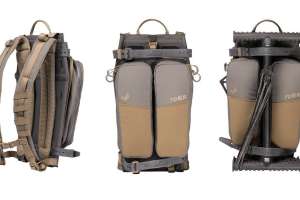
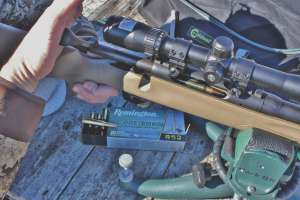
In an outdoor and hunting retail store, unmotivated employees can actually do some serious damage to more than just the bottom line. Imagine a customer walking in pumped to gear up for a backcountry elk hunt. They’re looking for a specific riflescope or a hunting pack, but the salesperson they meet is just going through the motions of their job — maybe offering lukewarm suggestions or, even worse, barely acknowledging the customer. Every customer you have is hard-earned. That customer now might walk out empty-handed or, even more likely, take their business to a competitor or an online retailer. Low motivation leads to shoddy customer service, which hits your bottom line hard.
Research from Gallup (2020- State of the American Workplace) shows that disengaged employees can cost companies 20 to 30% of their revenue due to lost sales and poor customer experiences. In the niche world of hunting and outdoor gear, where customers often crave expert advice and a personal touch, that’s a recipe for disaster.
Beyond lost sales, unmotivated salespeople are also more likely to jump ship. Retail already struggles with turnover — and the bad news for employers is that, according to the Center for American Progress in an article titled, “There Are Significant Business Costs to Replacing Employees,” replacing an employee can cost anywhere from 50 to 200% of their annual salary when you account for hiring, training, and lost productivity. That’s a significant amount.
In the outdoor industry, where product knowledge and customer relationships are everything, losing seasoned staff is a gut punch. Regular customers will notice when their favorite salesperson isn’t there anymore, and they might even follow them out the door — or at the very least, it can increase their chances of shopping at another store. Additionally, unmotivated employees can drag down the whole team’s vibe, creating a toxic cycle where everyone’s just coasting instead of building a thriving, customer-focused culture.
Avoiding De-motivation
So, how do you flip the script?
One of the best ways is by paying higher-than-average wages. It might feel like a big upfront expense, but, just like things such as marketing and advertising, it’s really an investment — in your team and your brand. In the outdoor retail space, salespeople aren’t just ringing up purchases — they’re often enthusiasts themselves with deep knowledge of hunting, shooting, firearms, archery or camping gear. Paying your team members above market rates shows them that you value them and their expertise and encourages them to stick around. Higher wages can also attract top talent from other businesses, which is crucial in a tight job market. A study by the Economic Policy Institute found that companies paying above-average wages see 38% higher productivity and 27% higher profits because employees are more engaged and driven to perform. For a hunting retailer, this translates into salespeople who go all-in to help a customer pick the perfect bow or recommend a tent built for high-altitude backcountry camping.
An Example to Follow
Cabela’s, now part of Bass Pro Shops, was a prime example of this approach in its heyday. They built a reputation for paying competitive wages in the outdoor retail space, hiring passionate outdoor enthusiasts and compensating them well. Dick Cabela was know far and wide throughout the industry for placing the highest value on his people. This translated into knowledgeable staff who created standout customer experiences, encouraging shoppers to come back again and again. Higher wages also mean lower turnover, so Cabela’s kept employees who knew their products inside and out, giving them an edge in a rather specialized market.
Having a Clear Plan
In the working world, employees want to feel like they’re growing, not just punching a clock. A structured development program (think: training on new products, leadership skills, or even outdoor skills classes like wilderness navigation, game spotting, etc.) shows employees you’re invested in their future. Pair that with a predictable schedule for raises and you give your team members something concrete to aim for.
For example, you might offer performance reviews every six months with the chance for a raise based on sales numbers, customer feedback, or certifications in product knowledge. This can keep employees engaged because they see a clear path to earning more and advancing their careers without having to jump ship.
REI, the outdoor retail giant, nails this. They offer robust training programs, including product knowledge workshops, outdoor skills courses, and even reward trips, which empower salespeople to connect with customers on a deeper level. REI also ties raises to performance milestones, giving employees a reason to stay sharp and improve. This focus on development has helped REI build a loyal workforce, with many employees sticking around for years because they feel valued and see room to grow. In a hunting retail store, a similar approach might involve training on the latest rifle technology and basic repair, becoming certified in optics technology or offering certifications in ballistics or reloading, boosting an employee’s confidence and their ability to close sales.
Commission = $$…for YOU
Commissions and bonuses are like jet fuel on a campfire for motivation in sales roles. Commissions, where salespeople earn a percentage of each sale, directly link effort to reward, which can be especially powerful in the outdoor and hunting industry, where big-ticket items like firearms or high-end optics are common. A solid commission structure pushes salespeople to close deals and upsell add-ons, like a scope with a rifle or ammo with a new shotgun. But don’t stop there. Adding bonuses for selling featured products or hitting sales targets during peak seasons — like hunting season — can also take motivation to the next level. For instance, you might offer a $50 bonus for every pair of premium binoculars sold during deer season or a $200 bonus for hitting a monthly sales goal during the holidays.
Research supports this. In a 2019 article, Harvard Business Review found that complex compensation systems with commissions and bonuses keep high, average, and low performers engaged year-round. But here’s a key point: Don’t cap commissions. Another Harvard Business Review study found that companies that removed commission caps saw a 9% revenue increase because top performers stayed motivated to push harder.
A little over a decade ago, I was in charge of the optics training for 13 large retailer locations throughout the Midwest. One of the things I implemented was a point system that gave retail salespeople the opportunity to earn free products from the company based on their sales of the product line. In every location there were two things that stood out.
First, there was always one star employee who crushed his or her results. Several of these store employees were earning a free product every few months, which was not bad when you consider that the price range was $400-$2000+! Second, that employee’s fellow employees all increased their overall sales and benefitted the store.
There was one store where the department manager would not allow the program because it wasn’t “fair.” I ask you this: What could possibly be more fair than paying someone based on their individual performance? Not surprisingly, this location not only had lower sales, but also experienced a higher turnover than any of the other 12.
Share the Wealth
Profit sharing is another powerful tool. When employees know they’ll get a slice of the company’s profits, they start thinking like owners. In a hunting retail store, this could mean a year-end bonus tied to the store’s overall performance, giving everyone a reason to work together to boost sales and keep costs in check. Profit sharing fosters teamwork, as every employee — from the cashier to the gun counter expert — has a stake in the company’s success. It also aligns individual goals with the company’s broader objectives, creating a culture where everyone’s rowing in the same direction.
Scheels, a sporting goods retailer with a strong hunting and outdoor focus, does profit sharing right. They distribute a portion of their earnings to employees, which has helped them build a fiercely loyal workforce. Employees at Scheels know their efforts — whether it’s helping a customer choose a new rifle or keeping the store organized — contribute to the bottom line and, ultimately, their own wallets. This sense of ownership drives engagement and reduces turnover, which is why Scheels consistently ranks high in employee satisfaction.
Support and Transparency Are Key
Money, while very important, is not everything. While higher wages, commissions, bonuses and profit sharing are powerful, they work best when paired with a supportive culture. In the retail world, this means tapping into your team’s passion for the lifestyle they’re selling. Maybe it’s giving them a day off to go hunting or fishing, or celebrating a salesperson who went above and beyond for a customer. Orvis, known for fly-fishing and hunting gear, blends financial incentives with a culture that celebrates outdoor enthusiasm. They offer competitive pay and commissions but also invest in their employees with trips to outdoor events or access to exclusive gear, keeping their team motivated and tied to the brand’s mission.
One last thing: Transparency is non-negotiable. For financial incentives to work, they need to be clear and fair. Salespeople should know exactly how commissions are calculated, what it takes to earn a bonus, or how profit sharing is divvied up. If the system feels opaque or unfair, it can backfire, breeding frustration instead of motivation.
So, what’s the bottom line? Motivating outdoor and hunting retail salespeople with money the right way means going beyond a basic paycheck. Pay higher wages to attract and retain talent. Offer structured development and raises to give employees a path forward. Use commissions and seasonal bonuses to drive sales on high-value or featured products, and consider profit sharing to make everyone feel like they’re part of the company’s success.
Financial incentives don’t just boost sales and profit — they build a team that’s passionate, loyal, and ready to make your store the go-to spot for every hunter and outdoor enthusiast.