
Food plots for hunting are firmly part of our modern strategies but aren’t new. Hunters many decades ago realized that homestead gardens attracted deer, and other wildlife. Families have handed down tales of great-grandpa killing Ol’ Swamper by the pumpkin patch. Native Americans hunted game around food sources and mineral licks.
The refinement of food plots for hunting began in earnest in the 1980s with the introduction of blended seed mixes. Before that, some whitetail hunters planted oats or winter rye to offer a minimally nutritious yet attractive source. Once the blended mixes began gaining interest, the hunting industry responded with a new vein to tap: food plots, fertilizers, seasonal planting, vegetation management and more.
A decade later, hunters were planting food plots for deer, turkeys, small game and other wildlife. Songbirds and pollinators benefitted. These spawned growth for other products including ATV-friendly implements, handheld broadcast spreaders/seeders, backpack sprayers, etc. Research and development continued with the seeds and blends, too, in the United States and elsewhere.
Mossy Oak Founder Toxey Haas created BioLogicin 1999 with distinguished wildlife biologist Dr. Grant Woods. After about seven years of research, testing, planting and evaluation, BioLogic started with brassicas and clovers initially developed for venison farming. From there, the company grew and thrived. BioLogic today has numerous offerings for seasonal plants, perennials, annuals, fertilizer, soil testing and more.
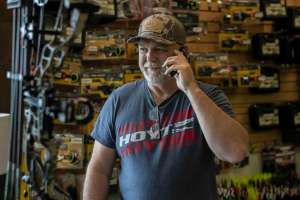
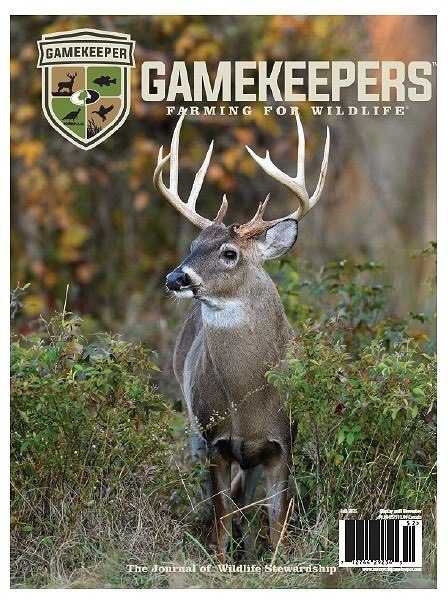
This month we’re visiting with Mossy Oak BioLogic’s Bobby Cole to learn more about that business, as well as Gamekeepers, the company’s magazine and podcast.
AB: Thanks for taking time for us as we move into hunting season. Can you give our readers a quick synopsis of the background of Mossy Oak BioLogic and how, when and why it got started?
Cole: We were introduced to some plants — brassicas and clovers — that had been developed for the deer farming industry, specifically to help with body weights and antler growth. We tested these on our own hunting properties. We were so impressed with how they performed and eventually affected herd health that we knew we had to offer these to the public. They really made a big difference in body weights and seeing more deer in a plot. So, because of that, BioLogic was born.
AB: BioLogic has its roots in New Zealand — how does that translate to the United States, which has myriad climate zones from tropical to arctic? Does New Zealand have similar climate fluctuations? Why did Toxey believe what worked there would work here?
Cole: True, the New Zealand terrain is very diverse and goes from sea level to mountain. We were seeing success down there in a variety of conditions that were similar to the United States. One big selling point was the New Zealand deer farmer had very limited acreage. We wanted to grow as much forage on those acres as possible, and produce as much weight and velvet antler to be sold. It’s basically the same needs as the American deer hunter. We love the fact that these plants are so nutritious and are such great nutrient transfer agents … allowing the soil’s nutrients to be made readily available to the deer.

AB: The first years with BioLogic: was it rough sledding or fairly easy to sell? It’s not like hunters hadn’t been planting something — ryegrass, at the very least — for years already. And there were some other seed companies in the outdoor space. Nudging into that sliver couldn’t have been a walk in the park, right?
Cole: It was tough because people had been in a habit of doing the same old thing. Once someone in their area started planting the products and having success, it made things easier. However, deer hunters can be very secretive and not talk about what’s working for them. So, we had to overcome some of that. That always made me smile, because I sure understand it.
AB: As time went on, how fun was it to see changes in the science and growth of the different food plot species? That learning process must’ve been enjoyable.
Cole: We always preached herd health, aligning with the science that a healthier herd is a better herd and has the best potential to grow a larger buck. It takes time. It’s been very rewarding to see guys embrace this and have success.
AB: What was one of the biggest sales frustrations to overcome, and how did you do it? From a retailer standpoint, how did you convince them to stock BioLogic in stores and then sell it to consumers?
Cole: That never is easy with a new venture, even with a brand like Mossy Oak behind it, right? We have tried to have offerings that made sense for the stores, regardless of their size. But it remains a challenge. Shipping is a major obstacle for us.
AB: What have you personally learned about the planting and growing process that you didn’t know before you started working with BioLogic?
Cole: I always thought that if 10 pounds per acre was good, then 20 pounds would be even better. But that’s not always the case with seed. You can’t overplant your way to success. The plants need moisture, access to fertilizer and space to be able to develop. So understanding plant population per square foot is important.
AB: I’ve heard for years that one of the biggest mistakes hunters and plot-planters make is a failure to do good, legitimate and thorough soil tests. Should retailers also sell or provide soil tests with BioLogic? Seems like an easy thing to do. Or, at the least, provide info on where and how to get a soil test.
Cole: It’s a service product and probably easier to recommend where they go. Many colleges and universities offer this service. Your local NRCS also can point someone in the right direction. We offer one at www.plantbiologic.com and they aren’t expensive.
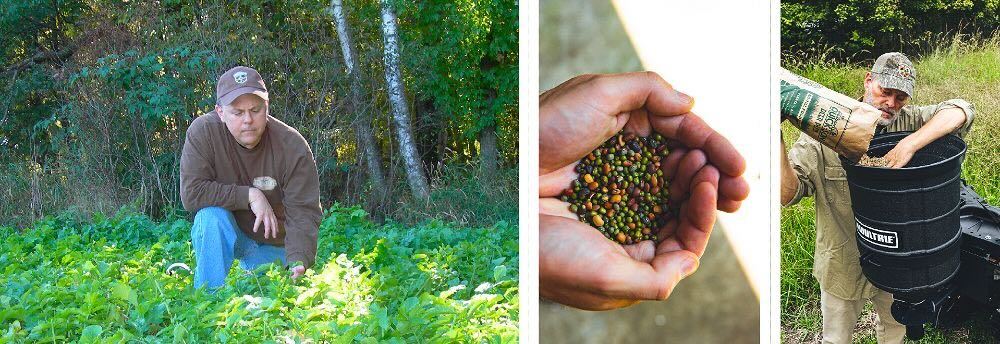
AB: Doing a soil test matters even for things like the rake-and-throw plot mixes, too, doesn’t it?
Cole: Yes, with anything you’re wanting to grow, a soil test would be a benefit before planting.
AB: What is the top-selling BioLogic mix, or is there one? Or do you have top regional mixes?
Cole: Our Green Patch Plus and Clover Plus have always been great products. But a few pounds of Maximum, Deer Radishes and Winter Bulbs added to a bag of wheat or even planted alone can really make a difference.
AB: True or false: shooting a deer standing in a food plot means deer will quit using that food plot?
Cole: So, like any hunting, you have to manage the pressure and know how to enter and exit without spooking any deer. That pressure is what spooks deer. We also don’t hunt all the plots but hunt trails going and coming from the plots. It’s a matter of being strategic.
AB: Best guess (or if you know for sure): who plants more food plots, bowhunters or gun hunters, or is there any way to tell?
Cole: I don’t think there is a difference. Anybody who wants to be a Gamekeeper and manage a property knows that nutrition can improve their deer herd, and food plots are a great way, maybe the best way, to do just that.
AB: BioLogic has been around for a generation, which generally is about 20-25 years, and now has older and younger hunters using its products. The Gamekeepers podcast at www.mossyoakgamekeeper.com/podcasts has been wildly successful and has a diverse mix of listeners, right? Older and younger? Describe the podcast and how it is helpful for hunters or land managers.
Cole: Our podcast is a weekly discussion of hunting and managing a property to improve the hunting. We have subject matter experts each week and provide our listeners a chance to learn. We really enjoy it and work hard to have interesting episodes.

AB: What have you learned from doing the podcast? Anything that stands out?
Cole: People are hungry for good information, and that information is constantly being challenged and improved. We are doing our best to deliver the latest research to help our listeners enjoy their time in the outdoors.
AB: The Gamekeepers podcast has about 360 episodes since its debut in November 2020. Topics range from antler growth to planting to bowfishing for invasive species. It’s not just about “Plant seeds, watch plants grow.” That mix of topics must be fun to talk about.
Cole: Yes, we are very diverse in what we discuss. I think that keeps us from growing stale. We all love hunting and fishing and all that surrounds it, and we talk about it all. Give us a listen, check out the Gamekeepers Podcast, and I’ll bet you find something you will enjoy.
AB: Anything else you’d like to tell the Archery Business readers about BioLogic? We appreciate you taking the time to visit with us this month.
Cole: We appreciate the opportunity and want people to know they can learn more by visiting www.plantbiologic.com.