
There’s more competition for shoppers than ever. Big-box choices, online retailers, influencers pedaling discount codes and coupon redemptions, hundreds of e-mails a day, all focused on separating customers from their dollars and getting them into a sales ecosystem.
How do you compete with that kind of constant bombardment?
You can lean into a consistent awareness campaign trying to keep your brand relevant at all times, which can be a good plan with proper execution.
You can also say you aren’t going to play that game and lean in to a totally different strategy: Blitzing the marketplace.
What Is a Sales Blitz?
If an awareness campaign is a constant drip of brand placement, the sales blitz is a carefully timed firehose turned up to 11.
A sales blitz is built to give your customers nowhere to hide while you work to get your message out. Rather than trying to compete on a day-to-day basis, you isolate windows of time that revolve around the promotions and anchors that you choose, and you pull out all the stops to reach any potential customers at least once, and a good percentage of them multiple times, leaning on short blasts of intense frequency to carry the message rather than smaller, more consistent messaging.
This requires a blitz to omnichannel. You’re putting the message into as many delivery devices as possible. Ideally, you’re running ads with local television, radio, print, out-of-home, and backing that with digital, social, and e-mail as well.
If there is oxygen, you’re taking it up, and you’re relying on that intensity to drive customers to your door.
When Should You Blitz?
Timing a blitz can be tricky. Conventional wisdom says to focus on things like Black Friday, holidays, and seasonal kick offs.
Here’s the tough part, though.
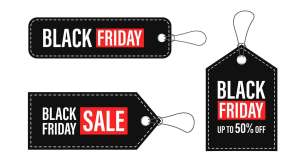
How effective do you think your blitz can be if everyone else is doing the same thing, like with Black Friday? We’ve seen the holiday shopping window go from an intense few days to a month-long barrage of holiday shopping madness.
This is exactly the type of window I would look to avoid when planning a blitz.
The effectiveness of your blitz relies on dragging new customers in to purchase things they otherwise may not have. If you don’t have those net-new customers coming through the door, you’re just selling product you already would have, but for less than usual, without the benefit of increased volume to make up the difference.
When planning a blitz, I like to look at what the hospitality industry calls the shoulder seasons. Don’t attack the peaks — get in ahead of the major moves, or let those quiet down and come in after.
Timing it ahead of a rush plays on the customer’s anticipation. You can capture some of those early dollars, before they’re spent somewhere else, and be a first mover.
Coming in after the major window brings in the I-wish-I-would’ve-gotten shoppers that forgot they needed something, or maybe didn’t get the gift they were after and are looking to do some self-shopping.
There’s also the benefit of appealing to customers who received gift cards or cash and are looking to spend it.
The key to timing your blitz is making sure that you can reduce as much other noise around your messaging as possible. If you can avoid getting washed out in a deluge of similar messages at a predictable time, you stand a better chance of reaching your customers.
How to Make a Blitz Work Seasonally
One of the benefits of the hunting market is the predictable nature of customer needs. You know when your customers are going to need items for their seasons. This cycle gives you a great starting point when you begin to identify possible blitz windows.
Laying the seasonality of your particular store and customers with those windows of time not cluttered with noise from other sales window, will give you the best times to place your blitz.
There is no hard-and-fast rule of when this may happen. Every area is a little bit different; seasons open and close at different times, and local forces are always in play. You will know this better than anyone else.
The key is to leverage the pre-existing interest with the awareness spike of the blitz to make both more impactful. Which leads us to our next factor.
Urgency
Urgency may be the most important factor in play, not only with your blitz, but with sales in general. It’s not enough to want or need the item. You need the customer to have decided that they can’t wait another day to make that purchase.
The worst-case scenario is a customer comes away thinking they can take care of this need later.
Urgency is in play on both sides of the equation, as well. It may be customer-focused, with an impending season opening, or weather change coming that means new gear is needed.
You can also create urgency by offering products or services at such a good deal they can’t pass it up.
In the end, the result is the same. The customer stands in your shop coming to the conclusion that they simply can’t NOT make the purchase.
Manufacturer Support
Don’t forget that your brands want your sales to succeed as well. They can become some of your best partners for making a blitz a success.
Factory or sales reps are often available to support an event or big sale, provided they are given enough time to plan for it and have a reason to be in attendance. Maybe your blitz is in line with a new product launch or rebate program a brand can double down on by being in attendance.
It might also be a great time to get some extra training for your staff while you have a rep on hand that can help with that before or after hours.
We also can’t forget about ad allowances. Many brands still offer an ad allowance incentive as part of their buy program. These allowances can help offset the expense of local advertising to make as big of a splash as possible in the area.
How to Ruin a Blitz
Weak Promotions: Want to ruin your promotion and probably tank future ones as well? Advertise an event or sale, then don’t actually come through on your promotion. If you’re going to offer $10 off here and there, and make some free popcorn, don’t expect much buy-in from the customers.
That’s not to say that you have to give away the farm, but if the customer comes through the door and it doesn’t feel like anything special is going on, and the deals are the same as every other day, they are going to shop like every other day.
The promotion they find inside the store has to match or exceed the buzz you created with your blitz.
Narrow Focus: The blitz strategy only works if you lean into it. You can’t run a blitz if you all you do is run a few ads on social media.
To reach its full potential, a blitz has to be omnichannel. We often see people blame the marketing channel for a campaign that wasn’t properly executed. We have to understand what the goal of this strategy is: We are trying to take up as much oxygen as possible. That means we have to use all available channels to maximize reach and penetration of our message. If we skimp on delivering our message, we won’t realize the full potential.
Poor Spacing: Really good blitzes take place as soon as our customers have forgotten about the last one.
Frequency can be tricky. Especially when you consider what the competition is doing in the area.
Run your blitzes too frequently and you train the customer that there is always another sale just around the corner. Over time, this means you’re training your customers to stop making purchases day to day, and all your revenue will revolve around sales and promotions.
Too infrequent means your customers forget you’re there. So much of a brand’s work, even a retail brand, is remaining top of mind. You need to be doing enough to stay on the mind of the customer so you aren’t forgotten.
Similarly, becoming too predictable can be a problem as well. If you always run a Father’s Day promotion and blitz, what do you think May sales figures will look like?
The goal is to be predictably random. Customers should know that something is coming, but not knowing exactly when.
Key Takeaways
Getting lost in the shuffle is a slow death for a retail store. Finding ways to stay fresh and bring in new customers, not just activating current customers, is critical to the long-term health of the store.
Adding in a blitz strategy to go along with events or sales to help get above the noise and properly leverage promotions can be a great tool to have in your toolbox when you plan the coming year’s marketing strategy.