
“Practice does not make perfect. Only PERFECT practice makes perfect.” —Vince Lombardi
I spent much of my high school and college years competing in athletics. Unfortunately, I wasn’t as naturally gifted as some — but I greatly desired success. The thing that brought me to the highest levels of the sports I was in was directly related to the amount I practiced. My mom used to spend hours throwing baseballs into the dirt in front of me (I was a catcher). For wrestling, I spent hours practicing my single- and double-leg takedowns. When that was adequate, I switched to practicing reversals and escapes. Once I began competing in martial arts, I would spend hours focusing on a single counter-technique. I hit my heavy bag so much that I completely wore one out — all in order to have the skills to win more. When I got into sales as a career, I would practice my pitches in front of a mirror, with my friends, and later even with my wife and kids. It worked. And I’m just a single example of this.
Now, let’s think for a moment about some of the greatest teams and athletes in the world. In basketball, most people’s first pick is Michael Jordan. Golf? Tiger Woods. Baseball? For the younger generation, Perhaps it’s Ichiro Suzuki. If you’re older, Ty Cobb or Ted Williams. Football? It’s hard to argue with Tom Brady as a top choice. Now, think about the teams that have dominated their sports for decades. The Green Bay Packers and the New England Patriots are two of football’s recognized dynasties. The New York Yankees have been at the top of baseball for 120 years. The Chicago Bulls, Boston Celtics and LA Lakers have been top-level basketball teams at various times for practically the entire history of the sport.
These athletes and teams have all been at the pinnacle of their respective sports by choosing the right players, the right coaches and, perhaps most importantly, their work ethic when it comes to PRACTICE.
Vince Lombardi was known to run the same play for an entire practice to ensure its flawless execution. Tiger Woods used to hit 100 golf balls every day. Michael Jordan would take 100 free throws after every team practice. Kobe Bryant was known to be in the gym over an hour before any of his teammates, working on his skills. Tom Brady? He went from a low pick that was too small, too slow, and a possible trade card to the greatest quarterback in history because he worked harder, practiced more, and watched thousands of hours of film before he ever played a game.
Why Do We Practice?
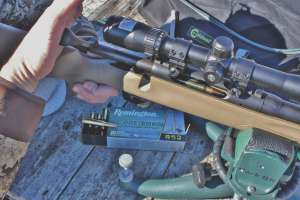
To get better! You wouldn’t take a rifle or bow out of the box and take it on the hunting trip of a lifetime before shooting it, would you? It’s likely that you would spend serious time practicing and knowing exactly where it shoots at different distances, because that gives you the greatest chance at success. The same reasoning should be applied to sales.
In the world of retail, the greatest success doesn’t come from simply standing behind the counter waiting for customers to make decisions. It’s about engaging, understanding, and guiding each person who walks through the door toward a purchase that feels right for them — and maybe a little more. The old saying “practice makes perfect” isn’t just for athletes or musicians; it’s a mantra for every employee looking to boost sales, secure referrals, and turn one-time buyers into loyal, repeat customers. Mastering the art of selling firearms, accessories and services requires intentional effort, sharp listening skills, and a knack for asking the right questions at the right time.
A Good Foundation
A house without a good foundation will not stand for long. The foundation of great salesmanship lies in understanding why someone walked into your store. Every customer has a story — whether they’re a first-time buyer nervous about their purchase, a seasoned hunter upgrading their gear, or someone looking for a personal protection weapon.
The salesperson’s job is to uncover that story without making them feel like they’re being interrogated. Start with open-ended, welcoming questions that invite them to share their needs. Try asking, “What brought you in today?” It’s simple and non-pushy, and it opens the door for them to reveal their purpose, whether it’s browsing, a specific need, or just curiosity.
Another great question is, “What kind of hunting/shooting are you into?” This works because it assumes they have a purpose, even if they’re new, and it gives the salesperson insight into their interests — hunting, target shooting, self-defense, or maybe collecting. If they seem hesitant, you might ask, “Is there something specific you’re hoping to find, or are you just exploring options?” This gives them an easy out to admit they’re just looking, while still keeping the conversation alive.
These questions aren’t just icebreakers; they’re the first step in tailoring the customer experience. By listening closely to their answers, you can gauge their experience level, budget, and their urgency. A novice might mention they’re “just looking for something to shoot some birds,” while a seasoned hunter might talk about specific firearms, calibers or brands.
Everyone Improves With Practice This is where practice comes in — rehearse these questions with your salespeople until they feel natural, like they’re chatting with a friend. Have them role-play with coworkers, test different phrasings and deliveries, and pay attention to how your customers respond. Observe them in a sales interaction and coach (not “critique”) them afterward. Over time, they’ll develop a sixth sense for which questions spark the best conversations and lead to sales.
The Fine Art of Upselling
Once you’ve got a customer talking about their needs, the opportunity to upsell presents itself — especially when they’re buying something like a firearm.
Perhaps the most important thing to know upfront is that upselling isn’t about pushing the most expensive item on the shelf. Upselling is much more about helping the customer see the value in a better option or complementary products that enhance their overall experience.
Suppose a customer is set on purchasing a gun for self-defense. You might ask, “Have you thought about how you’ll be carrying or storing this?” This question opens the door to discuss holsters, safes, or even concealed carry classes — items or services that add value to their purchase. A good question for someone buying a hunting rifle is, “What type of hunting will you be doing with this?” This can lead to suggesting things like a high-magnification scope, binoculars, a sling, a case and more.
The key to upselling is making it feel like a natural extension of their purchase. Practice phrasing these questions so they sound helpful, not salesy. For example, instead of saying, “Do you want to buy a sling?” try, “What’s your plan for carrying this comfortably?” The latter feels like you’re solving a problem, not pushing a product.
In addition to practicing upselling questions, employees should also practice product knowledge so that they know the features, benefits and price points of accessories inside and out. If they can confidently explain why a particular sling is worth the extra $20 or how a quality scope improves accuracy and low light visibility, they’re more likely to close the upsell.
Practice With the Products You Sell
Spend time handling the products yourself, testing how they feel and imagining how you’d pitch them to different types of customers. The more comfortable you are with the gear, the more convincing you’ll be selling it to someone.
For example, when it comes to selling riflescopes, upselling to a higher-quality optic is all about showing the customer why the investment is worth it. A customer picking out a scope is already thinking about accuracy, so your questions should focus on their goals and the limitations of lower-end options. Start with, “What kind of shooting are you planning to do with this scope?” This helps you understand if they’re hunting, long-range shooting, or just plinking at the range. Follow up with, “What kind of conditions will you be shooting in — low light, long distances, or maybe both?” This question is gold because it plants the seed that not all scopes perform well in all scenarios. If they mention hunting at dawn or dusk, you can pivot to explaining why a scope with better light transmission, like one with premium glass, is a game-changer.
Another great question is, “How important is durability to you?” This opens the conversation to higher-end scopes with features like waterproofing, fog resistance, or shockproof construction — qualities that justify a higher price tag. To seal the deal on a better optic, ask, “Have you ever had/heard of a scope failing or losing zero?” Many shooters have a story about a cheap scope that let them down, and this question taps into that frustration. You can then explain how a higher-quality optic avoids those issues, using specific examples like lens clarity or reticle precision.
Practice as a Team
Practice these conversations with coworkers, focusing on how to transition from the customer’s answers to the benefits of a premium scope. Spend time comparing scopes in your inventory — look through them, note the differences in clarity, and memorize key specs. The more you understand the tangible differences, the easier it is to convey value to the customer.
Give Them a Reason to Come Back
Beyond making the initial sale or upsell, getting customers to come back and refer others is where the real magic happens. Repeat customers and referrals build a loyal customer base, and both start with creating a memorable experience. One way to encourage return visits is to make the customer feel like you’re invested in their journey. After a sale, try saying something like, “Let me know how this works out for you — I’d love to hear about your hunt!” This small gesture shows you care about their experience, not just the transaction. You can also suggest they bring friends to the store for their next visit, subtly planting the referral seed.
Another approach is to offer a quick tip or invite them to an upcoming event, like a product demo or shooting clinic, if your store hosts them. These touchpoints help keep your store top-of-mind. To increase the frequency of customer visits, consider loyalty-building tactics like personalized follow-ups. If your store has a customer database, note what they bought and follow up with an email or call about what they bought, related products, or other services you offer. For example, if they bought a rifle, reach out a month later to ask how it’s performing and suggest a cleaning kit or a shooting rest. Practice crafting these follow-ups to sound genuine — nobody likes a robotic sales pitch. Role-play with your team to perfect the tone and timing of these interactions. Over time, these efforts turn one-time buyers into regulars who trust your store for all their shooting needs.
Referrals come when customers feel confident recommending your store. This starts with exceeding expectations during their visit. Go beyond answering their questions — offer insights they didn’t expect. For example, if a customer buys a firearm, take a moment to show them how to field-strip it or recommend a local instructor for training. These small acts of expertise make them more likely to tell friends, “You’ve got to check out this place — they really know their stuff.” You can also encourage referrals directly by saying, “If you know anyone looking for gear, send them our way — we’ll take good care of them.” Practice this phrasing to be smooth and to avoid sounding desperate. It should feel like a natural part of the conversation.
Practice Regularly!
To make all these techniques second nature, employees need to practice regularly. Set aside time each week to role-play scenarios with coworkers, taking turns as the customer and salesperson. Simulate different customer types — nervous first-timers, budget-conscious shoppers, or experienced shooters with specific demands. Record these sessions if possible to review your tone, body language, and question phrasing.
Outside of role-playing, study your inventory. Know the features of every firearm, scope and accessory, and be ready to explain why one option is better than another. The more you practice articulating these details, the more confident you’ll sound to customers.
Another way to sharpen your skills is to observe top performers in your store. Watch how they engage customers, handle objections, and close sales. Ask them to mentor you/other employees or even simply share their go-to questions.
If your store has sales data, analyze it to see which products sell well together — this can guide your upselling strategy. For example, if you notice that customers buying certain rifles often purchase specific scopes, practice bundling those items in your pitches. The more you immerse yourself in these details, the better you’ll get at spotting opportunities.
Ultimately, increasing sales, referrals, and customer loyalty comes down to building trust and confidence. Every question you ask, every product you recommend, and every follow-up you make should show the customer you’re on their side. Practice doesn’t just make perfect — it will help make you the person customers want to buy from, return to, and recommend to their friends. Keep practicing, keep refining your approach and questioning skills, stay curious about your customers’ actual needs, and watch your sales numbers climb!