
If you’ve heard of gamification, augmented reality (AR), sensory innovations, experiential customer engagement, and pop-up corners, you’re ahead of the crowd of retailers looking for fresh and innovative in-store marketing tactics to move their businesses forward.
Retailers who embrace a dynamic blend of new-wave in-store marketing strategies are engaging their customers and turning store visits into events. The result? Substantial sales upticks, increased foot traffic, valuable customer interaction, and increased customer return visits, all with a community focus.
These strategies leverage emerging technologies to reflect the rugged, high-tech, hands-on culture of our industry. With budgets ranging from a few hundred to several thousand dollars, these methods allow shops to transform into immersive hubs that resonate with customers and build community ties.
Artificial intelligence (AI) is no longer a futuristic concept. It’s used by retailers daily and is reshaping marketing approaches across industries. From analytics to content creation and in-store product promotions, AI offers powerful tools to deliver personalized experiences that drive engagement and loyalty. AI truly is the foundation of marketing today. Its power is clear.
AI can revolutionize personalization for brick-and-mortar shops by analyzing customer data such as purchase history, preferences, and in-store behavior to deliver tailored customer experiences without the need for large-scale resources.
For instance, AI-powered tools like a customer relationship management (CRM) system or mobile app can recommend products to customers based on past purchases, send personalized promotions via text or email, or even adjust in-store digital displays to highlight items a returning customer might like.
In-store voice and visual search technologies are also gaining traction, making it easier for consumers to find exactly what they want. For example, a customer could upload an image of a firearm part they need, and AI could match it with the exact product in your inventory.
Virtual AI-powered assistants also can help with product searches, provide advice, and answer customers’ questions, while freeing up employees to concentrate on more complex customer needs.
AI also aids inventory optimization by analyzing sales trends and predicting demand to ensure your shelves are appropriately stocked with the right products at the right times.
AI chatbots can also manage online inquiries 24/7, offering custom suggestions and solutions while freeing up staff time.
By leveraging affordable AI solutions, you can mimic the sophistication of big retailers, fostering loyalty and boosting sales through intimate, relevant shopping experiences while maintaining your critical community connections.
However, the effective use of AI requires transparency and balance. Over-personalization that feels intrusive or predictive can alienate customers. Also be clear about how you collect and use data to build trust with your customers.
When implemented thoughtfully, AI will continue to revolutionize how the industry connects with customers.
Gamification in retail marketing refers to the application of game-design elements and principles like offering points for purchases, creating in-store scavenger hunts, or unlocking discounts through interactive challenges. The goal is to engage customers, enhance their shopping experience, and drive desired behaviors like increased purchases, loyalty, or brand interaction. Gamification turns shopping into a competitive and rewarding adventure. And, let’s be honest, our segment loves competition.
Some key tools for initiating in-store gamification include interactive kiosks and touchscreens placed in-store or cell phones and tablets to host game experiences like spin-to-win wheels, trivia or gear quizzes, or treasure hunts. Customers interact to earn rewards, driving foot traffic and engagement.
In most instances, customers use mobile devices, their own cell phone, or a provided tablet, to play in-store games. The devices interact with mobile loyalty apps, designed by retailers or third-party providers, to enhance customer retention, bolster customer interaction, and encourage repeat purchases through a digital loyalty program. The loyalty apps replace traditional punch cards or point systems with a digital platform where customers earn rewards by completing actions like purchases, referrals or participating in gamified challenges. The apps track progress, display rewards, and often use push notifications to re-engage users.
Digital signage and leaderboards posted on large screen displays are also great motivators. Real-time leaderboards for contests foster competition and participation. They can also highlight rewards or game progress, encouraging customers to participate and spend more.
Phygital is a hybrid of physical and digital. It refers to the integration of digital technologies with physical spaces to create a seamless, enhanced customer experience. Phygital marketing simply combines physical store elements, like product displays, personal interactions, or in-person events, with digital enhancements like branded mobile apps, online ordering, or interactive kiosks that create a cohesive, convenient, and memorable shopping journey. It aims to bridge the gap between offline and online channels, offering customers flexibility while maintaining the community connections only found at local businesses.
Augmented reality (AR) refers to the use of technology to overlay digital information such as images, videos, 3D models, or interactive elements onto the physical shopping environment, enhancing the customer’s real-world experience through devices like smartphones, tablets, kiosks, or AR glasses.
AR bridges the gap between physical and digital realms, allowing retailers to create immersive, interactive, and personalized marketing experiences that engage customers, showcase products, and drive sales. These tools educate buyers on gear performance in tangible, tech-forward ways.
Set up a virtual gear try-on station to allow customers to see how products look on or fit without the hassle of trying on the products. An AR mirror or app adjusts the product overlay image to fit the customer’s body.
The same type of AR allows customers to use a mobile phone AR app or an in-store tablet to customize products. For instance, the customer can add accessories like optics, grips, or suppressors to a firearm. The app overlays the modifications onto a live view of a base firearm model on display in the store, showing real-time results.
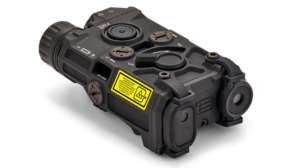
Fully immersive AR experiences, like a tactical scenario simulator, let customers use an AR headset or phone app to display overlays to show virtual targets, obstacles, or threats onto the store’s range or a designated area. Customers can evaluate gear, like optics or lasers, in the simulated environment.
Artisan/expert skill share nights refer to strategic events hosted by retailers where skilled craftspeople demonstrate or teach skills. The goal is to draw in curious customers, position your shop as a hub for unique in-store experiences, and differentiate you from mass-market competitors.
The events are designed to engage shoppers, enhance their in-store experience, and drive sales by highlighting the value of handcrafted or high-quality products, fostering a sense of community through education and outreach, and aligning the retailer’s brand with creativity and authenticity.
A perfect example is inviting a master holster maker to demonstrate the art of crafting a custom, wet formed, leather holster. Allow the artisan to educate customers while offering the craftsperson an opportunity to sell their products alongside yours for a night. Combine the presentation with a great impulse-buy like a holster-making kit with everything the customer needs to go home and make their own holster.
BOPIS is an acronym for Buy Online, Pick-Up In Store. It refers to a retail fulfillment strategy where customers purchase products through an online platform and then retrieve their orders at a physical store location, typically at no additional cost. For small retailers, BOPIS is a hybrid approach that combines the convenience of e-commerce with the immediacy and individualized touch of a brick-and-mortar presence, allowing you to compete with larger chains while leveraging your local advantage — immediate service.
BOPIS is a cost-effective scheme that drives online traffic to your physical location, enhances customer convenience, and strengthens community ties by encouraging in-store visits. Think big or small. You may choose to engage a service like Shopify to put all your products online for sale. Or you can utilize BOPIS for exclusive offers via a simple email or text with a buy-now button.
Video content continues its reign as one of the most effective ways to engage audiences and customers. Platforms like TikTok, Instagram Reels and YouTube Shorts are driving the trend toward short-form video, which captures attention quickly and effectively. Short videos are particularly well suited for mobile viewing, which is how most consumers access content today.
Product demos, behind-the-scenes tours, and quick tips for improving skills are a few examples of content that performs well in video format. You can go big or small when making videos. Engage a production team or simply set up an in-store video station that you, employees, customers, and local experts can use to film fun and educational clips.
Beyond videos you create for your customers, consider incorporating in-store, customer-generated video content. Encourage customers to share their experiences, whether through testimonials, range-day footage, or a video challenge to build loyalty and community engagement.
A simple backdrop with your store logo, website and phone number coupled with some fun decorations, a table, and cell phone stand (for videoing) can become a TikTok or Instagram Reels booth. Challenge customers to come into the store, pick out a product they love, and make a 15- to 30-second video about why they use or need the product. Each person who makes a video, posts it and tags your business is entered into a drawing or gets a discount.
Another thought is having a hero’s booth, where a person or family member can introduce or thank a local hero, an LE officer, first responder or member of the military. Couple the video booth with a hero wall of images of community heroes posted by your customers. The level of engagement is often far beyond expectations.
Regardless of how you intend to use or create video content, ensure all content adheres to video platform guidelines to avoid penalties.
Sensory marketing is the deliberate use of sensory experiences, touch, sight, sound, and scent to captivate customers, feature the physical qualities of goods like textiles, tools, or artisanal items, and drive sales in a competitive retail landscape. The approach has evolved to emphasize authenticity and immersion, leveraging low-cost, high-impact sensory tactics to differentiate from e-commerce giants and meet rising consumer demand for tangible, in-person experiences. The smell of a campfire, sounds of a tactical mission, feel of new high-tech fabrics, and in-use product visuals engage and inspire customers.
In summation, brick and mortar shops can thrive when they tap into their communities, know their customers, and create memorable, educational and immersive experiences.
Whether you decide to use one or several of the tactics we’ve discussed, the marketing possibilities are endless. With so many choices and a challenging learning curve, there’s no harm in starting small and growing your interactive marketing over time.
Pick one or two ideas you feel your customers will enjoy. Research how to best incorporate the tactics into your shop operations and marketing goals. Compare equipment required and costs. There truly is a fit for every business and marketing budget.
Examples of Tactics
Gamification Ideas
Checkout Challenge: Quick game at checkout, like a digital dartboard, trivia question, or spin-to-win digital wheel, to garner instant discounts.
QR Code Scavenger Hunt: Hide QR code tags or posters throughout the store. Challenge customers to find the codes using clues and scan the QR codes to see product info or answer a quiz question. Completing the scavenger hunt earns points for prizes or a prize wheel spin.
Mystery Discount Grab Bags: One-day sale of limited-edition, highly discounted grab bags with surprise goods and coupons. Offer a clue and challenge customers to find the grab bags.
Digital Rewards Loyalty Cards: Several apps are available that allow you to offer digital loyalty cards (electronic punch cards), stamp cards and more. They help you to communicate and connect with customers, make special in-store offers, and reward customer actions.
Shooting Range Challenges: Customers earn points for accuracy or speed at an in-store or partnered range. The points are redeemable for discounts or prizes. Leaderboards highlight top shooters.
Gear Loadout Builder: An in-store station (physical or digital) lets customers design tactical loadouts, earning points for creativity or sharing images of their builds.
Loyalty Rank-Up Program: Customers progress through military ranks (recruit to general) via purchases or referrals to unlock tiered perks.
Augmented Reality Ideas
Phygital Try-Ons: Use AR stations for virtual try-ons of clothes and accessories via smart mirrors or tablets. The technology lets customers try on tactical gear (e.g., vests, holsters, helmets) virtually. Customers stand in front of the device, and the AR overlays gear onto the customer’s reflection or live camera feed, adjusting products for size and fit.
AR Storefront Time Travel: AR markers (QR codes, a kiosk, or simple short video) show a virtual timeline of your business’ history. Share your community story.
Personalized AR Business or Greeting Cards: AR cards replace paper business cards or greeting cards shared with customers. The cards provide basic information, but when scanned, they come alive with product information, videos, images and more. They provide a bigger canvas to showcase your products and services.
Smart Shelf Surprise Drops: Sensors trigger confetti or sound when customers grab featured items. There are a myriad of smart shelf sensor options related to showing pricing, providing product information, suggesting products to customers in real time and more.
Local Legend Story Boards: Tell the tales of area legends, heroes, and local history. Engage customers by challenging them to tell the stories via video for inclusion on a digital heroes wall. Utilize the content on your social media platforms or website.
AR Product Journey Walls: Develop a wall/kiosk/monitor with QR codes that when scanned with a cell phone show product origin videos/content. Connect your customers to the history of the products they use.
AR Firearms Customization Preview: Customers use an AR app on their phones or an in-store tablet to customize firearms. The app overlays accessory modifications (scope, light, grip) onto a live view of a base firearm model on display, showing real-time results.
Tactical Scenario Simulator: An AR headset or phone app overlays virtual targets, obstacles or threats onto the store’s range or a designated area. Customers then test gear like sights or lasers in the simulated environment.
In-Store Navigation & Gear Locator: An AR app guides customers through the store, overlaying arrows or highlights on their phone screen to find specific items, like AR-15 magazines or the customer’s work-approved boot model.
Artisan Partnership Ideas
Artisan Skills Night: Find local experts who provide products or services you may not to showcase their skills or offerings. Think gunsmiths, woodworkers, leathercrafters, or service dog trainers. Allow them to demonstrate their craft, educate customers, and sell their custom works or services.
Artisan Co-Created Window Displays: Monthly window redesign with an artist, featuring your products. Imagine working with a local news photographer to set up a window display of local LE/Mil/First Responders in action, with on-the-job gear displays.
Hands-On Artisan Sessions: Consider working with an artist to craft a painting for your shop, with your customers’ help. The artist can get the basic visual painted then allow customers to add some brush strokes. At the end of the night, you have a piece of art made by many local hands.
You’re A Real Character Night: Bring in a caricature artist to draw your customers. Have a table with a range of products customers can incorporate into their drawing. Have the artist use paper with your logo and store name so the final product is branded to you. Take pics of the drawings and post them to an AR wall, website and/or social media, and give the original to the customer.
BOPIS Ideas
BOPIS Treasure Chests: BOPIS orders come with a key to unlock a bonus chest with a reward, discount, or gift.
BOPIS Tac-Gear Quick Kits: Customers order pre-configured or custom kits online (duty belt setup, range day essentials, or survival pack) and pick them up fully assembled in-store. Reward the customer by packaging the kits in a branded range bag or pack.
BOPIS Monthly Challenge: The first 10 BOPIS orders each month receive some kind of perk, whether a nice keychain, a chance to win an upcoming drawing, or a range session.
Phygital Ideas
Weather-Triggered Promotions: Promote real-time weather-based deals via signage or text alerts. When it’s raining outside, in-store displays switch to promoting rain gear, waterproof boots, or weather radios.
Phygital Photo Ops: Set up a corner photo booth with AR filters/or decorations tied to your shop. Change the booth motif often to keep customers engaged. Challenge them to take a shot of themselves with products or friends and post to social media with a tag to your business.
Geo-Fenced Flash Sales: Using geo-fencing software, send a 30-minute, in-store, flash sale text to customers near your shop or even your competitor’s store.
QR Code Gear Stories with Online Rewards: Place QR codes on product tags or displays that, when scanned, link to digital content like a video of the gear in action, its specs, or a customer review. Scanning also enters customers into an online loyalty program or offers a digital coupon.
Phygital Range Pass with Digital Tracking: Offer free paper targets to anyone using a mobile app like TargetScan, which is a paper target scanning app that tracks shooting stats. Or take the big step up to a fully digital shooting range station that automatically tracks stats.
Near Field Communication-Enabled Product Demos: Equip key products with NFC tags. Customers scan the tag with their phones to access a demo video, product history, or reviews. In addition, items scanned can be added to an in-store payment system to streamline the shopping experience and reduce friction at checkout.
Video Content Ideas
In-Store TikTok/Instagram Reels/Facebook Stories Booths: Set up a small company-branded backdrop with props and lighting. Challenge customers to make 15-30 second videos about your shop or products, post them to their social media accounts, and tag your business. Reward each video maker with a $5 gift certificate. They’ll most likely use it on the spot and spend even more.
Also post the videos to your social pages and tag your customer back. You’ll be amazed at how you grow your local outreach and increase customer loyalty.
Service Dog Photo Challenge Day: Set up a corner photo booth and ask customers to bring their working/support dog to the shop to take some great pics and enter their dog into the Top Dog Challenge. Have the customer post their best picture to social media, tagging your business. Also capture all the images to make a great Service Dog Wall of Fame in your shop. Allow customers to vote for the three best photos — the Top Dog winners.
In-Store Live Stream with Digital Participation: Host in-store events (like an artisan’s evening) and broadcast live on platforms like YouTube, Facebook, Instagram or X. Online viewers can comment or ask questions or order featured items, while in-store attendees get exclusive swag or digital coupons via a QR code.
Sensory Marketing Ideas
Body - Wellness Pop-Up Corner: Set up a temporary nook and offer mini-massages, and yes, even a little aromatherapy, to customers who complete a challenge. Place an array of products in the nook that focus on wellness, first-aid, weather beater creams and balms, or oils and diffusers.
Scent - Gunpowder and Leather Ambiance: Use a subtle scent diffuser to infuse the store with a mix of gunpowder, leather, and earthy notes (cedar or campfire), evoking the feel of a range or field operation.
Sound - Ambient Range or Field Audio: Play a low-volume soundscape of a firing range or an outdoor tactical setting with wind, footsteps, and radio chatter, through in-store speakers, immersing customers in the tactical and shooting sports lifestyles.
Touch - Hands-On Gear Stations: Set up interactive displays where customers can handle gear – rack a slide, adjust pack straps, or compare different knife handles. Hands-on stations build customer confidence in product quality and fit, increasing purchase likelihood.
Sight: Dynamic Lighting and Visual Themes: Draw attention to high-margin items and reinforce the experiential vibe behind these marketing tactics. Install adjustable LED lighting to highlight products and create a visual aesthetic centered on the highlighted product. Add a looping video of the gear in action on a mounted screen. Incorporate music.
Taste - Tactical Snack Sampling: Offer small, themed snacks like wild game jerky, energy bars, or MRE-inspired bites at the counter or during events, paired with a coffee station mimicking a field brew. The sampling station creates a social hub and encourages longer visits and impulse buys.
A Fully-Outlined Escape Room Gamification Experience
Mini, in-store escape games are compact, immersive puzzle experiences designed to fit within small retail spaces, offering customers a quick and engaging challenge.
The Mission: Breach the Safehouse
- Setting: A small, 95-square-foot corner of the store is sectioned off with portable dividers or tactical netting, styled as a safehouse” with a locked metal box (the “objective”) on a table. Props like a map, a dummy radio, and a few inventory items (e.g., a flashlight or holster) set the scene.
- Objective: Players (two to four recommended) have 10 minutes to unlock the box and “secure the intel” (a prize like a 10% off coupon, a branded patch, or a small accessory).
- Gameplay: Clues are embedded in the store’s inventory, requiring players to explore displays and use tactical know-how to solve the puzzle.
How It Works
Players are given a briefing card: “Your team has tracked a target to a safehouse. The intel you need is locked in a secure box. Use your skills and the gear around you to breach it. Time on target: 10 minutes. Go.”
Step 1: Find the Callsign (2 minutes)
- Clue: The briefing card includes a partial radio message: “Echo-___-Tango, confirm your position.”
- Inventory Used: A nearby rack of tactical patches or hats has a label with a military callsign (e.g., “Echo-Five-Tango”).
- Solution: Players spot the callsign and deduce the number “Five” (5) as the first digit of a 3-digit code for the lock.
Step 2: Gear Loadout Sequence (3 minutes)
- Clue: A note inside the safehouse says, “Loadout priority: Protection first, precision second, power last.”
- Inventory Used: Scattered on a display table are items like a ballistic vest (protection), a red-dot sight (precision), and a high-capacity magazine (power). Each item has a small tag with a number (e.g., vest = 2, sight = 4, mag = 7).
- Solution: Players arrange the gear in the order given (protection, precision, power = 2-4-7) and realize the second digit is 4 (from the sight, as it’s the second in sequence).
Step 3: Range the Target (4 minutes)
- Clue: A map on the table shows a target at “300 yards,” with a scribbled note: “Adjust for drop. Check the specs.”
- Inventory Used: A nearby rifle scope or ammo box display lists ballistic data (e.g., “.308 Winchester, 150-grain, drop at 300 yards = 7 inches”).
- Solution: Players find the .308 ammo box, see the drop is 7, and use it as the third digit. The full code is now 5-4-7.
Finale: Unlock and Win (1 minute)
- Players enter 5-4-7 into the box’s combination lock. It opens, revealing the prize and a “Mission Complete” card.