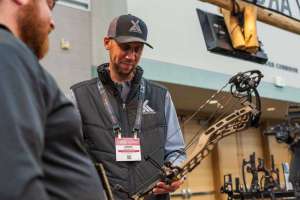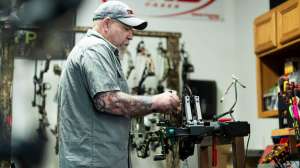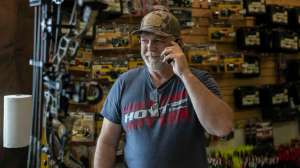

When deer season rolls around each year, outdoor retail stores all experience a large surge in traffic — and not just from hunters browsing out of boredom. The economic impact of deer season on the hunting industry is nothing short of massive. From compounds, crossbows and camouflage clothing to trail cameras, boots, scent blockers, and high-end optics, deer hunters open their wallets in preparation for what, to many, is the most anticipated season of the year.
Outdoor magazines run all of their “Get Ready for Deer Season” articles starting in late summer. Many of the archery companies run advertisements, rebates and special promotions for their products. Read on to learn how you and your business can be ready for the biggest sales period of the year.
Timing Is Everything
Peak months for deer hunting spending are generally September through November, though some states open their seasons earlier, and others continue longer into December and January. August and September mark the beginning of serious prep for archery seasons, and by October, your customers that are also gun hunters start making their major purchases for the season. It’s in these 3 months that many archery retailers make a significant portion of their annual revenue.
The average hunter spends somewhere between $1,200 and $1,800 per season, according to data from the U.S. Fish and Wildlife Service and other industry reports. That figure includes things such as gear, licenses, fuel, lodging, food and everything else that goes into a successful trip. For retailers, that translates to a reliable annual spike in sales. Even if a customer walks in for just a bottle of scent control spray, odds are high they’ll also pick up gloves, some snacks, and maybe a new deer call while they’re there. That’s how basket size increases — and that’s why smart retailers stock up and staff up well before the first day of deer season.
As of the most recent estimates, there are about 11.5 million deer hunters in the United States. Of those, the majority are pursuing whitetails, especially in the Midwest, Southeast and Northeast where the species dominates. Mule deer hunters are mostly concentrated in the western states, and blacktail hunters, though dedicated, are fewer in number due to the more limited geographic range of the species, mainly along the Pacific Northwest coast.
Here's how the numbers break down in terms of primary deer hunting pursuits:
- Whitetails: 9.2 million
- Mule deer: 1.8 million
- Blacktail deer: 0.5 million
Whitetail hunting is, without question, the economic heavyweight in the hunting world. The difference between whitetail and mule deer hunters alone is more than 7 million. That gap highlights the regional and cultural differences in deer hunting across the country — but also underscores the importance of whitetail-related products in the retail space. For outdoor stores, that means tailoring marketing, inventory and promotions to match the species most hunted in their region.
It’s not just about filling shelves with gear — it’s about filling them with the right gear. When deer season kicks off, hunters are ready to spend, and the smart retailer is already one step ahead, knowing this season is more than just a time to hunt, it’s a time to sell.

5 Tips to Sell More Deer Gear
1: Make sure your broadhead inventory is deep and diverse. Mechanical or fixed blade, expandable or cut-on-contact, hunters are loyal to their favorites but always curious to try new tech. If a manufacturer is releasing a new model, get it in stock early and display it prominently. This is one of the most frequently replaced items in a hunter’s kit, especially for those who want fresh, razor-sharp heads before the opener.
2: Stock a wide selection of arrows and bolts, especially those compatible with the most popular compounds and crossbows. Hunters often look to refresh or replace their arrows before the season, especially after summer practice sessions. Retailers that offer custom fletching services or cut-to-length arrows can have a significant advantage, as personalized service can build customer loyalty and increase basket size. It's not uncommon for a deer hunter to come in for three arrows and walk out with a half dozen, plus nocks, inserts and wraps once they realize you can customize everything to their specs.
3: Bring in a full assortment of scent control products. From scent-eliminating sprays and laundry detergents to ozone bags, boot powders and field wipes, this category drives impulse buys all season long. Hunters know that deer have exceptional noses, and they'll invest heavily in anything that promises to keep their presence hidden. Scent control shelves should be front and center by mid-August, especially if your area opens for archery in early September.
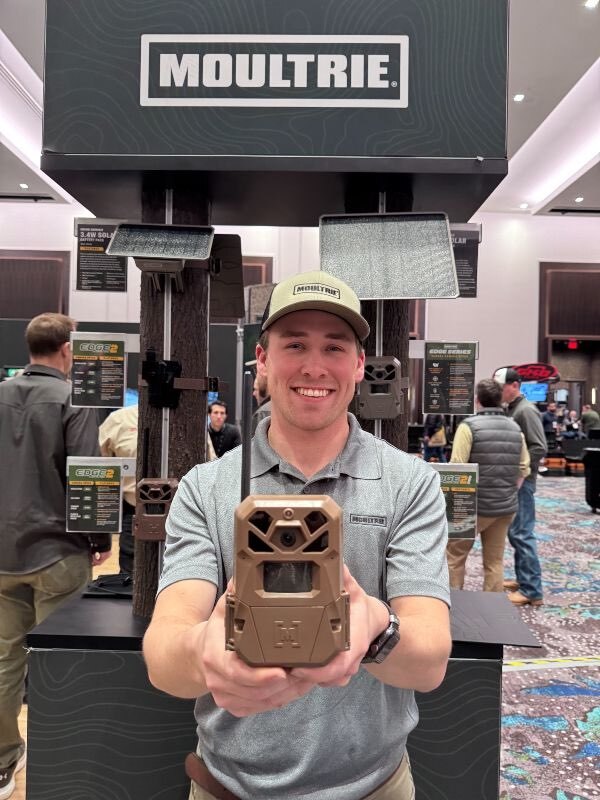
4: Game cameras continue to be hot sellers, particularly cellular-enabled models that send photos directly to a hunter’s phone. These devices are no longer a luxury; they’re a scouting necessity. Be sure to also stock SD cards, batteries, mounts, lockboxes and even solar panel chargers for extended field use. Many customers may own one or two older cameras but are eager to upgrade if they see a new model that promises better resolution, longer battery life or improved mobile connectivity.
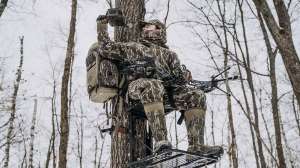
5: Don’t forget treestands, saddles and accessories such as safety harnesses, bow hangers, pull ropes, screw-in hooks, climbing sticks, and ratchet straps. Even if a customer isn’t in the market for a new stand, they’re likely to update and upgrade some of the accessories that go with it.
Safety gear in particular is always a growing concern in the industry, with more and more hunters taking fall prevention more seriously. Demonstrating a harness system in-store or even having one available to try on can help move more units and show your store is serious about safe hunting practices.

Have an Event
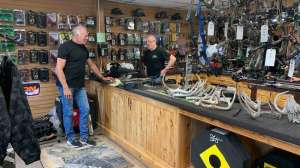
One of the smartest moves an archery retailer can make is to host a large pre-season event. Not only does this create excitement and urgency, but it also cements the store as a hub for the local hunting community. Consider holding the event in late July or early August, when anticipation is building and customers are ready to shop. Timing is everything — a weekend event just before deer season can conflict with out-of-town scouting trips or last-minute range time. By getting ahead of the curve, you’ll catch hunters while they’re still forming their gear plans.
Sales strategies for such a large sale or event might include things like bundling accessories at a discount, offering early season pricing on broadheads, arrows or trail cameras, and even offering discounts for customers who bring in a used product for trade-in. Many archery retailers take in used bows and then sell them to someone just getting into the sport (after a tune up, of course!), but far fewer look into selling other lightly used products such as binoculars and rangefinders, high-end apparel, and even boots! When taking gear in trade, always offer a higher trade value for an in-store credit. This is a win-win for the retailer and the customer.
These tactics can also quickly clear out older inventory while giving customers a deal they can’t pass up. You can also offer raffle drawings for door prizes like camo gear, rangefinders, targets or even a gift certificate to spend in-store. Some stores will offer a “Free pre-season bow check-up” as an incentive to bring more people in. A larger than expected percentage of those customers will either need something done to their bow or will see something that they will need for the upcoming season.
Remember, the more engaging the event, the longer people stay — and the more they spend.
Getting the Word Out
Advertising the event should be a multi-pronged approach: promote it via social media, send out email blasts to your customer list, and place ads in local outdoor radio shows or community papers. Don’t underestimate the power of good signage around town or on major roadways either.
A catchy event name such as “Deer Camp Kickoff” or “Whitetail Weekend” can help your advertising stick in people’s minds. Incentivize early arrival with promotions such as giveaways to the first 25 customers through the door, or hosting hourly flash sales to keep traffic flowing throughout the day. Don’t forget to have a way to track each one of your advertisements so you can decipher what works best for future events.
I know about a store in Wisconsin that runs a very successful event every year that says some of their best-performing ads for the event are the four billboards they buy every year for the month preceding the event.
What really elevates an event, though, is the people involved. Invite bow manufacturers’ representatives or pro staffers to give product demos and answer technical questions. These folks are highly trained and can speak with authority about tuning bows, selecting broadheads, and explaining new technologies. Local conservation officers, hunting outfitters, and game processors can also be great additions, giving hunters the sense that your store is where everything comes together before the season starts. Some stores even bring in local taxidermists to showcase mounts or discuss proper field care for capes and antlers.
Final Thoughts
Done right, a pre-season event isn’t just about boosting sales — it’s about building community, strengthening your reputation, and showing hunters that your store is ready to support their season from opening day to the last minute of legal light each deer season. With the right inventory, a sharp marketing strategy, and a commitment to customer experience, archery retailers can turn the months before deer season into the most profitable and impactful time of their year.
Sidebar: Event Planning — Make It a Family Affair
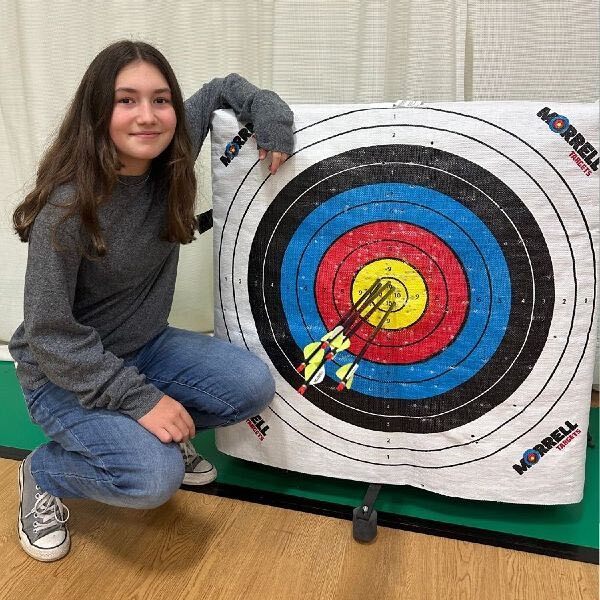
When planning an event prior to deer season in your area, don’t forget the kids. If you want to build long-term loyalty and create a family friendly atmosphere, offer activities such as youth archery shoots or wildlife trivia contests. Serving snacks or hiring a food truck never hurts either. The longer families stick around, the more likely they are to buy something — and to come back throughout the deer season.
Photos by John Hahner