
Starting an influencer content plan from the beginning can feel overwhelming. How do you decide who to work with, at what scale, and with what overall budget? Should you work with 10-15 influencers for a one-time post and scatter your results across multiple platforms, reaching a wider audience? Or focus on three or four influencers and go deeper with a 2- to 4-month marketing plan?
I've typically seen two ways to go at an influencer plan: the shotgun approach or a more extended-term plan. Both can cost the same, but their results can be widely different. Let's review along with their pros and cons.
Shotgun Content Plan
Experience has shown me that PR agencies love the shotgun blast approach: sign up 10 to 15 large-scale influencers to post once about a product or event simultaneously. It is a one-and-done deal. This approach makes sense for new product launches or new businesses. The agency does the outreach once, agrees on pricing and contract terms, and pays once.
The influencers usually are the Mega size (see sidebar) of around 100,000 followers on any singular platform. The idea is to maximize reach. And with that approach, reaching an audience in the millions is relatively easy. The PR agency has only one post to report KPIs (key performance indicators) on, and can wrap up the project with a bow.
I don't find this approach effective.
In my experience, you want a consistent drip of content during a new product launch. After the clicks run dry on those one-time posts, then what? It is a vanity metric. The agency can show millions reached, but I have difficulty seeing how a one-and-done content plan works effectively. You wouldn't do it for a print campaign, TV ad, or digital banner display, so why is a digital content plan okay?
Even if I'm working on a short-term project, such as running social media for a trade show, I'm still working with content creators for 3 months leading up to the show, including days at the show.
However, one of the pros of this approach is getting to know each influencer better. When ready for a more extended, strategic content plan, you already know which influencers rose to the challenge.
Shotgun Content Plan Pros:
- Allows ability to test influencers on a short-term project
- One-and-done project-based work
- Typically completed within a shorter period (not stretched out over months)
Shotgun Content Plan Cons:
- Involves a considerable amount of effort for just one post
- Influencers tend to charge more just for a single post versus agreeing to work together over a longer time
- After the one post is done, then what?
Long-Term Content Plan
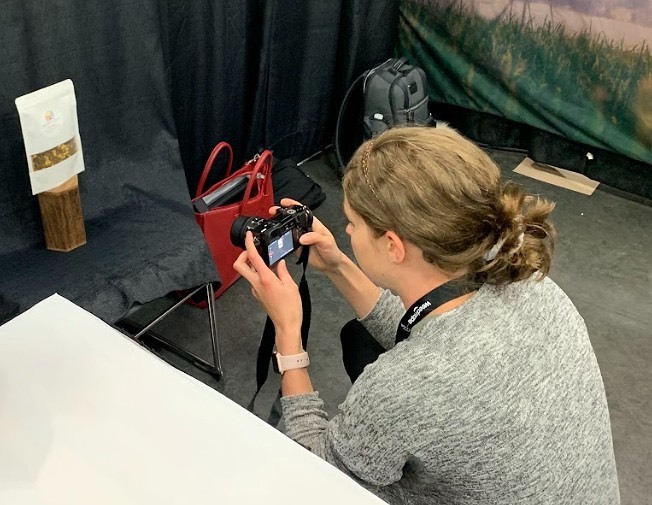
Every content plan I've structured is a long-term, project-based contract. This typically entails working with three to five influencers, each with a 3- to 4-month contract. This approach allows for fee negotiation and a deeper content strategy.
Here's my approach for a client in the home and garden space, for whom I've developed their content/influencer plan from scratch.
Year 1 (2022): Find 'friendlies' in the space and connect to send free products. Repost (with permission) content featuring brands/products. Focus on Instagram and Facebook.
Year 2 (2023): $20,000 overall budget. We worked with three Micro to Nano influencers, each with a 3-month contract, asking for one or two posts monthly. Contracts were around $500-$2,000 monthly. We added YouTube to the existing base of Instagram and Facebook and dabbled in TikTok.
Year 3 (2024): $60,000 overall budget. Working with four Mega to Micro-Influencers, contracts vary from 3 months to 6 months, asking for one or two pieces of video content monthly (no static image posts), and fees range from $1,000 - $2,500 monthly. Only one Influencer from 2023 was re-engaged for 2024, and we added TikTok to the existing base of Instagram, Facebook and YouTube.
Year 4 (2025): $70,000-$80,000 proposed budget with another stable of four or five Mega to Micro-influencers focusing on Instagram, Facebook, YouTube and TikTok.
You can see how the budget substantially increased when management saw the potential (and results) from working with influencers, which is the point. Not having a budget in that first year wasn't great, but it helped us find our foothold with 'friendlies' in the marketplace, where we could develop long-term partnerships. Some of those folks I reached out to in 2022 I still work with today and probably will for some time.
Long-Term Content Plan Pros:
- Guaranteed content for the length of the contract
- Trust can build between the brand and the Influencer
- Influencers and brands can strategize on content
- Allows opportunities for fee negotiations
Long-Term Content Plan Cons:
- If you don't like an influencer, you are locked in with the contract (but I would argue not to sign up influencers you don't like)
- Budgets might not allow for longer-term contracts

Pricing Hurdles
One of the biggest hurdles when developing your influencer plan is pricing. In today's age, paying an influencer or content creator $1,000 - $2,000 a month is the norm. Don't get me wrong — you can work with some accounts on a lower budget, but you'll need to make concessions on reach and potentially on the quality of work.
How much should you pay, for how many posts, and are those posts static images or videos? Do stories count? Do they cross-post on other platforms? The questions can go on and on.
Here's a handy checklist to ask when reaching out and negotiating with a potential influencer.
- Do they have a media kit? Not having one is okay, especially if they are a Micro or Nano, but almost all Megas will undoubtedly have a media kit clearly stating their fees.
- A media kit aims to get at their fees. If you see that an influencer's fee starts thousands above what you are willing to pay, then you can thank them for their time and move on. However, if they are in the ballpark, then negotiations can begin.
- All fees are negotiable. I know some influencers reading this will argue with me, but hear this: I typically custom-build packages for my clients to fall within a budget, so yes, everything is negotiable.
- I don’t believe in paying a creator for sharing a feed post image or video directly to their stories — that act should be included in the overall content fee for the post itself, or better yet, come up with something better for story content. (See No. 3 for custom-building your packages).
- You might negotiate and get to the point where you disagree, and that's okay. Some partnerships are not meant to be.
- Watch the red flags. If they are touchy and demanding during the negotiation phase, they'll be that way the entire partnership term. Remember, this is a business for you and them, and civility goes a long way. I've had influencers burn a bridge with me by pouring gas over it, adding TNT, and then setting it on fire. I'll give them credit for being memorable.
- Know what social platform is most important to your business. If it's Instagram, find influencers who shine on there, but also have an account on TikTok or Facebook. It's okay if they aren't strong across all platforms. I honestly don't know of an influencer who is strong across all three (or four if you include YouTube). Most find their stride on ONE platform and dig in.

Looking Ahead
Not long ago, influencer marketing was 10-20 percent of my client workload, but now it is over 50 percent, if not more, during some seasons. More brands are figuring out they need content, and the best way to get that content is to get it in the hands of people who live and breathe it in your industry.
Influencers can show you things about your product you may never have thought of before as they come at it from a different perspective, but still, a perspective about selling. Listen to and learn from them. When comfortable, going deeper into a partnership with them could be the best marketing strategy for you this year.
Sidebar: Megas, Macros, Micros, Nanos – Which Is The Best?
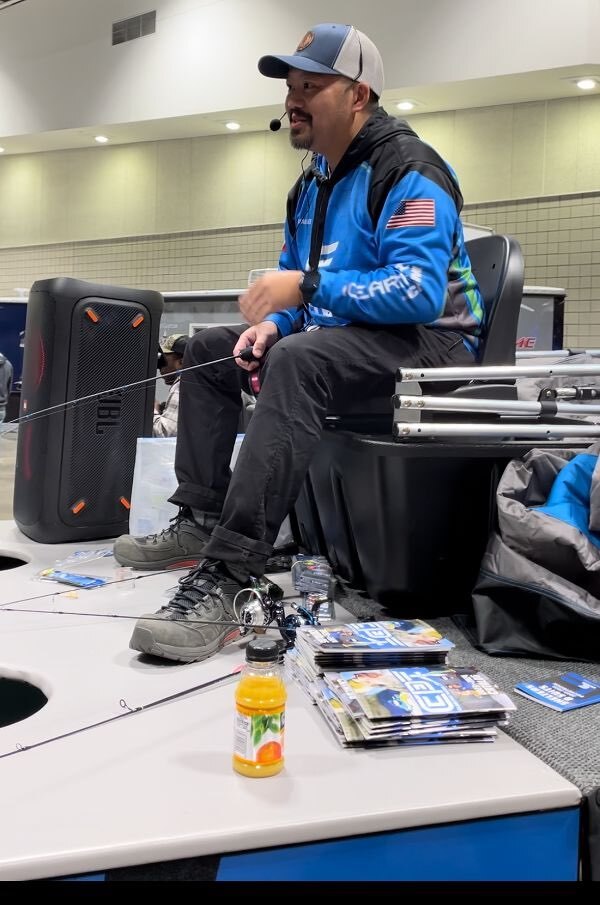
Before I give my opinion on which is best, it’ll be helpful to ensure we are on the same page regarding these terms.
- Nano: Under 10K followers. Everyday people with a small, generally more friend-based following. They can be used to create buzz within a very targeted audience. Think of Nano as synonymous with the original word-of-mouth approach for spreading information.
- Micro: 10K-25K followers. These people are influencers with a smaller but dedicated following, covering a niche market. Their content is generally more authentic because they have a closer relationship with their audience. They can be more easily paired with a performance-based payment model to drive true accountability and measurable results at scale.
- Macro: 25K-100K followers. A hybrid between the traits of Micro and Mega influencers. A general trend is that these influencers are more likely to work for a flat fee, be that a monthly payment, or a lump sum for a project. The quality of content takes a big leap compared to Micro with better photography and video as this group has grown with their followers and learned what needs to be done to engage. They could have potentially more involved posts by utilizing Instagram Reels, Lives, Stories etc. However, the engagement rate also decreases compared to Micro.
- Mega/Celebrity: 100K and up followers. Megas specialize in driving high-impact awareness with a very broad reach, which is not as helpful for reaching niche markets. Mega influencers cost more, but the quality of their content is close to that of a creative agency. You can also be more prescriptive with the types of content they produce. These influencers almost always work on a flat-fee model and generally have talent agencies/managers to work through.
A quick rule of thumb is that Nanos, while they have the smallest following, will typically have the best engagements. There are exceptions to the rule, of course. Nanos can be more excited to work with your brand, but sometimes they need to be savvier in business practices such as following #ad laws with the FTC, collab'ing on posts, or even knowing how to send an invoice.
Conversely, Macros usually run their content creation as a business – either their sole business or a side hustle. They know their value/worth, have past partnerships to reference, and know their limits. Of course, I've seen Nanos with better business practices than Macros, and I've seen Macros not know how to send an invoice. It's all relative.
When marketing your brand, a mix of each category is ideal. Megas will charge the most and then go down the line. If the budget allows, find a way to work with at least one Mega or Macro for a short period. They will show you your content's potential and typically provide amazing video content/photos. You can also negotiate to keep their photos to use while you are under contract with them.
Sidebar: How to Talk the Talk
- KPIs — Key Performance Indicators; metrics used to measure the performance of an influencer’s content, usually it is per post/video/Reel, and usually you are measuring engagement, reach and impressions.
- Vanity Metric — This term is equal to “all hat, no cattle” mentality, meaning, all the numbers are for show and truly don’t mean anything.
- Shotgun Approach — Referencing the short-term influencer strategy where a blast approach of reaching out to influencers for one post is done.
- Organic Posts — Anything posted on your brand’s account that is NOT paid for in some way.
- #Ad or Paid Posts — The requirement the FTC puts on content creators when posting about a brand or product.