
Anyone who enjoys multiple hobbies knows that it’s easy to get caught up in the hype of “all-or-nothing” buying. Whether your hobby is archery, golf, motor sports, or something in between . . . you know that there is a degree of peer pressure to buy the best (i.e., most expensive) equipment if you hope to have fun in your chosen activity.
Archers — and frankly many archery pro shops — are no different. We tend to focus on the latest flagship bows from our favorite brands and fill in empty spots on the rack with some beginner and mid-range models because we have to — not because we want to.
That lack of enthusiasm tends to carry over into the sales process as well. Every salesperson tries their best to get a customer into the newest model that boasts the highest speeds, most technology, and lightest riser design — and the highest price tag. And odds are there are customers who like the bow but just can’t pull the trigger because walking out the door with a fully equipped rig would cost more than most people’s first car. For many, it’s just not in the budget. When all the focus is on high-end equipment, the customer gets the message that it’s not worth buying anything if they can’t buy the best. So they walk.
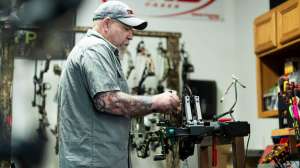
How can you keep that customer from walking out the door empty-handed and also give your bottom line a boost? A mid-range bow may be the answer. But it takes more than just having them on the rack. Your sales staff needs to recognize the customer’s needs and get just as excited about selling that $600-$900 bow as they are to sell the $1,500 one. Nobody likes to feel like they are “settling” for a lesser product because of their budget, but everyone likes the feeling of saving money by buying just what they need and nothing more.
Here are a few points your shop may want to consider when determining whether stocking and selling more mid-range bows could benefit you.
Consider the Alternative
There is a lot to be said for “striking while the iron is hot” in the bow business. If a customer walks in looking to purchase a new bow, and the only options they see are way out of their price range or beginner “grow-with-you” bows, it’s not very likely that they’ll wait a few more months to save up and come back ready to buy. It’s even less likely that they will eagerly fill out a special order for the lower priced bow that you don’t have in store but can be shipped in 6-8 weeks. The more likely scenarios are that the customer decides to continue using their current equipment or starts scanning online marketplaces for a deal on a used bow. In either case, your opportunity to bring in revenue is greatly diminished. Having the mid-range bows on the rack and ready to sell allows you to capture the sale when the customer is in buying mode. Not only does this allow you to get money in the register, it is the first step in building a relationship with the customer and opens the doors for future sales.

Where Are the Margins?
One of the biggest struggles for archery retailers is the relatively low profit margins on bows. Where margins usually improve is on accessories such as sights, rests, stabilizers and arrows. What does that have to do with mid-range bow sales? If your customer has a total budget of $1,500, wouldn’t you rather put them in a $900 bow and have them spend the remainder on high-quality (and higher margin) accessories than spend the entire budget on a bare bow and keep using the accessories from an old setup? Not only does that mean you aren’t capturing higher-margin sales, it also means your customer is getting only part of the “new bow” experience and the excitement that goes along with it.
A Second Chance
We are at a point in the archery industry where giant leaps in technology simply aren’t happening every year. When a shooter is in a top-tier flagship bow, it’s a little tougher to convince them to upgrade when next year’s model may be very similar. Conversely, when a shooter gets into a more budget-friendly bow, they are much more likely to come back for another purchase. It could be for upgraded accessories, or even a second bow that they can set up for a particular purpose, like hunting turkeys or shooting 3-D in the summer months. If they have spent some time shooting and have determined what features are most important to them, they might even be more likely to move up into the higher-end bow the next time around.
All of these facets of stocking and selling mid-range bows are focused on the benefit for the retailer, and while that is important, the real key here is that quite often the mid-range bow will meet all the needs of the consumer without costing them more money. When you can truly listen to a customer and get them fitted with just the right gear, you build trust that will keep them coming back and feeling confident about your future recommendations.
The “go big or go home” sales approach is a missed opportunity to build a lifelong archer and customer. So remember, make room for those mid-range bows and get excited about putting them in the hands of shooters who will be proud to own them.
Want more ideas of how to get more from your retail archery business? Check out www.archerytrade.org and click on “Education” to access the ATA Learning Center. Have questions? Contact me via email at kurtsmith@archerytrade.org.