
Step into any hunting retailer and you’re instantly surrounded by the tools and trappings of a lifestyle — racks of rifles, shelves of ammo, and the faint scent of gun-cleaning solvent in the air. For the folks who frequent these stores, it’s more than just a retail space — it’s often a gathering place for those who live for the hunt. If you’re running one of these shops, there’s a prime opportunity to cater to a dedicated subset of your customers: handloaders. These are the hunters who craft their own ammunition, and they’re a passionate bunch. If you aren’t already catering to this crew, you need to give it a second thought.
The Appeal of Reloading for Hunters
For hunters, the process of assembling their own ammunition from individual components — brass casings, bullets, primers and powder — isn’t just a practical skill. It’s a craft that blends precision, creativity, independence from things like shortages and price increases and, for some, even a meditative-like experience.
One of the biggest draws for your customers when it comes to reloading is cost savings. A box of high-quality hunting ammo, say for a .300 Winchester Magnum, can easily set them back $50-$75 or more. Reloading lets hunters reuse their spent brass and buy individual components in bulk, often cutting costs by as much as 40 to 60% or more. For someone who spends a lot of time at the range, hunts multiple seasons, or just likes to shoot a bunch, those savings add up fast. Beyond the financial side, reloading offers unmatched customization ability. Hunters can tweak their loads in practically infinite combinations to suit their specific rifle or shotgun, optimizing for accuracy, velocity or terminal performance. A deer hunter using a .300 Winchester might dial in a load with a 150-grain bullet for flat shooting in open country, while an elk hunter might go with a heavier 180- to 200-grain bullet and different powder combination for deeper penetration on bigger animals. This level of control is a game-changer for those who demand the most accuracy from their firearms. There’s also a great deal of satisfaction in knowing the round that drops a buck, bull or ram was one you built yourself.
Reloading also offers a buffer against the unpredictability of the ammo market. Supply chain disruptions and global demand spikes in the recent past have left store shelves completely bare at times. Handloaders, with their stockpiles of components, can keep shooting and hunting when others are scrambling. This ability resonates deeply with hunters, especially those in rural areas where their retail options are minimal, and with hunters who use less common calibers that aren’t always easy to find.
How Many Hunters Reload?
Estimating the exact number of reloaders is a bit challenging, as it’s an activity that’s not always captured in broad surveys. However, a 2016 report from the National Shooting Sports Foundation (NSSF) estimated that around 10% of U.S. hunters and shooters reloaded their own ammo, which, based on the roughly 15 to 20 million active hunters nationwide at that time, translates to about 1.5 to 2 million reloaders.
By 2025, industry data suggests that figure has now risen to around 12 to 15% of hunters, or roughly 2 to 3 million people. This uptick is likely due to the aforementioned ammo shortages, quickly rising costs (remember $9.99 .243 and .30-06? It wasn’t that long ago!), and a growing interest in self-sufficiency among outdoorsmen and women.
These figures show a clear growth trend, and reloaders will tend to be some of your most dedicated customers — folks who shoot often and invest in their craft. They’re a prime target for your store.
Top Reloading Equipment to Stock
When it comes to reloading equipment, you want brands that hunters trust and products that sell. Hornady and Lyman are two names that consistently rise to the top, but there are others worth considering to round out your inventory. Hornady’s Lock-N-Load Classic Kit is a fantastic choice for hunters who want a reliable single-stage press. It’s sturdy, precise, and versatile enough to handle everything from .223 Remington to .375 H&H Magnum. For those who reload in larger quantities, Hornady’s Lock-N-Load Ammo Plant, which includes a progressive press and automated case feeder, is a game-changer for volume reloading, cranking out rounds quickly and consistently for high-volume shooters. Their One Shot Case Lube is another hot seller, making the resizing process smoother and preventing things like stuck cases. Regardless of the model, Hornady’s reputation for innovation and quality makes their gear a must-have.
Lyman’s products lean toward affordability without sacrificing performance, which is great for hunters just getting into reloading. Their T-Mag II Turret Press is a favorite for its six-station design, allowing reloaders to keep multiple dies set up for quick caliber changes. It’s perfect for someone switching between, say, .30-06 and .243 Winchester for different hunts. Lyman’s Universal Case Trimmer is another staple, ensuring brass is properly prepped for consistent reloads. These tools appeal to both newbies and veterans who value precision on a budget. Don’t sleep on RCBS either. Their Pro Chucker 7, a progressive press, is popular among hunters who shoot a lot and reload for multiple firearms, from rifles to pistols. It’s a bit pricier but delivers both speed and consistency.
Lee Precision’s Classic Cast Press is another solid pick, especially for budget-conscious customers. Its simplicity and durability make it a great entry point for hunters new to reloading. A step up to the Lee 6-Pack Pro gives progressive speed at a budget price. Stocking these brands gives you a range of options to suit different skill levels and budgets.
Calibers to Stock for Hunters
Choosing which calibers to stock is all about knowing what your hunting customers are shooting. For rifles, .30 caliber bullets are a no-brainer — they’re versatile, widely used for deer and elk, and a favorite among reloaders. The .223 Remington/5.56 NATO is another must, popular for varmint hunting and predators like coyotes. The .243 is a popular deer caliber in the East and Midwest. The 6.5 Creedmoor has become a darling of the hunting world, thanks to its long-range performance and manageable recoil. The 6.5PRC uses the same bullets. (Hunters love bullets like Hornady’s 143-grain ELD-X for this caliber.) .277 caliber bullets for the .270 Winchester and 6.8 Western are great for open-country hunts and are also top sellers. Finally, 7mm bullets can be loaded in 7 PRC, 7mm Rem Mag, 7mm-08 and even 7x57. Get an assortment of brands and types of each caliber and see what sells the best.
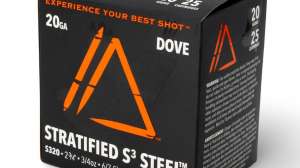
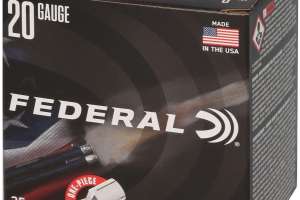
On the shotgun side, 12-gauge dominates for waterfowl, upland birds, and even home defense. Reloaders will often need different shot sizes like No. 2 for geese, No. 5 or 6 for pheasant, No. 7 1/2 (I’ve always wondered about that one as it’s the only half size) or even 00 Buck for tactical loads. The 20-gauge is also gaining ground, especially among younger hunters or those who prefer lighter recoil. Add to this a variety of wads and plenty of primers, and you’ll likely sell more than you think. A box of premium 12-gauge hunting ammo sells for $15-$30 a box. It can be reloaded for $5-$6!
Stock a variety of bullet weights and types — bonded and monolithic bullets for big game, match-style bullets for practice, and various lead shot sizes for shotguns — to cover the range of hunting scenarios your customers face.
Training Employees on Reloading Equipment and Supplies
Your staff members are the face of your store, and when it comes to selling reloading gear, they need to know enough to guide customers without overwhelming them — or themselves. Training employees on reloading equipment and supplies is no small task, given the sheer volume of information and variables involved. You’re dealing with different presses, dies, powders, calibers and techniques, not to mention safety considerations. The challenge is teaching a complex subject in a way that’s digestible for employees who may not be reloaders themselves, while ensuring they can answer customer questions confidently. The key is to stick to the basics. Start with the core components of reloading: presses, dies, scales, trimmers and chamfering tools. A reloading press is the heart of the operation, used to resize brass, seat bullets and crimp cases. Single-stage presses, like Hornady’s Lock-N-Load Classic, handle one step at a time, making them great for beginners who prioritize precision. Progressive presses, like RCBS’s Green Machine, automate multiple steps, ideal for high-volume reloaders. Employees should understand the trade-offs — single-stage for accuracy, progressive for speed — and be able to explain them in simple terms.
Scales are another critical tool, used to measure powder charges with exact precision, as even a tenth of a grain can affect performance or safety. Analog, or “balance” scales, like Lyman’s M5, are reliable and don’t need batteries, while digital scales, like Hornady’s Auto Charge Pro, offer speed and modern features.
Staff should know that accuracy is non-negotiable here, and customers will ask about ease of use versus cost.
Case trimmers ensure brass is the correct length after resizing, as fired cases can stretch. Lyman’s Universal Case Trimmer is a solid example, adjustable for multiple calibers. Chamfering tools, often paired with trimmers, smooth the inside and outside of case mouths to ease bullet seating and prevent damage. A basic chamfering tool, like Lyman’s VLD Chamfer/Reamer, is simple but effective. Employees don’t need to know every nuance of case prep but should grasp why these tools matter for consistent, safe reloads.
The biggest training challenge is avoiding information overload. Reloading involves countless variables — caliber-specific dies, powder burn rates, bullet weights and more. Trying to teach it all at once can paralyze staff or lead to mistakes when advising customers. Focus on foundational knowledge: what each tool does, why it’s used, and how to match it to a customer’s needs. Use hands-on demos with a press or scale to make it tangible, and encourage staff to refer customers to manuals or experienced reloaders for advanced questions. Regular refresher sessions, perhaps monthly, can reinforce the basics and introduce new products gradually. Role-playing customer scenarios — like helping a first-time reloader choose a press — can build confidence without diving into the deep end of technical details.
Powder Storage
Storing powder in a retail environment requires strict adherence to safety regulations. The ATF classifies smokeless powder as a low explosive, meaning you need to store it in a locked, fire-resistant magazine or cabinet, away from sparks, flames or electrical equipment. Federal guidelines cap retail storage at 50 pounds without a special permit, and local fire codes may impose additional restrictions. You’ll need to train staff on safe handling, including how to respond to spills or damaged containers. Proper ventilation is critical to prevent vapor buildup, and you’ll want clear signage to restrict access to authorized personnel only.
Challenges and Opportunities
Running a reloading section can also come with its share of challenges. Powder and primer shortages, driven by global demand and supply chain issues, can make it tough to keep inventory consistent. Building strong relationships with distributors and staying ahead of market trends can help mitigate this. You’re also competing with online retailers, who often offer lower prices but add a “hazardous materials” charge to any shipping. Counter this by providing hands-on expertise — staff who can talk load data or recommend the right die set — and consider hosting reloading clinics or demo days to draw in customers.
The upside? Reloaders are loyal. They’re not just buying a product; they’re investing in a craft. By offering a variety of quality gear and components, ensuring safe powder storage, and training your staff to guide customers effectively, you’ll build a relationship with customers who’ll keep coming back. Throw in some community events, like a reloading workshop or a range day, and watch your sales of not just reloading supplies, but all your other inventory, soar.