
Serious whitetail hunters plan their annual calendars around seasonal whitetail obsessions. For instance, October and November are blocked off for treestand sits. There’s usually more flexibility once deer season ends, unless a “target” buck walks by a cell camera with a shed antler missing. Turkey season is an awesome time to check the condition of clover food plots. The summer months are for tractor therapy, food plot prep and planting, mineral sites, and trail camera deployment. Late summer is for getting the bow dialed and, in some states, hunting velvet-antlered bucks.
Nearly a dozen states offer velvet archery opportunities. In the South, Arkansas, Mississippi and Tennessee offer special velvet-only seasons. These start in late August and run for a long weekend, mostly on private land. This is an archery-only hunt, and bucks are locked into a routine bed/feed pattern, which makes good use of bait, trail cams, treestands, and archery gear.
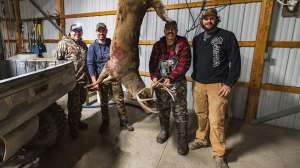
“I think it’s something unique and different, which is cool,” says Slade Johnston, Founder of Trips 4 Trade. Johnston makes plans to travel to Tennessee each year for the annual velvet-only hunt. “We have a big group of us that rent an Air BnB, so it’s the first hunt camp of the season, which is a lot of fun.”
Kentucky, South Carolina, Nebraska, Wyoming, Idaho, Montana, North Dakota and South Dakota all have early-opening regular archery seasons open by September. South Carolina has a southern zone with a mid-August opener for rifle and bow. Not all of these states allow baiting, so encourage your customers to check regs.
What Is Velvet Season?
In late winter and early spring, bucks across the nation have shed their antlers. Once antlers fall off the head, replacements begin growing right away. For the next six months, the soft velvet tissue grows into bone antler, the prized trophy that fuels hunters to spend wads of time and money pursuing bucks.
Johnston and his hunting buddies spend a lot of time looking for bachelor groups of bucks in the summer. “We’re watching deer and watching them grow,” says Johnston. “There’s something special about watching the antlers grow and seeing what those deer turn into.”
By late summer, bucks have full-grown racks covered in the soft, fuzzy velvet tissue, while the internal structure is hardening calcium, phosphate and minerals. During this time, mature bucks are bedding close to where they are feeding. If water is nearby, they don’t stray far at all. This allows hunters to set up ambush points along their paths. When done right, this can be a highly effective way of targeting a big buck before it switches to pre-rut activity and becomes less predictable.
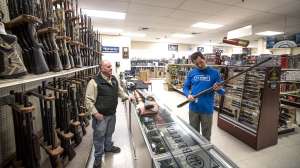
Early archery seasons usually lack the crisp air of October. Instead, your buyers can plan on summer heat and humidity, and biting insects and snakes. Each of these adds another complex layer that will affect apparel and prevention gear. Die-hard hunters will travel far and wide trying to capitalize on an early start to bow season. Smart marketing and seasonal catering could be just what you need to become the one-stop shop for velvet-season adventurers. Now, let’s take a look at the most used and essential categories.
Cater to the Bowhunter
Other than the Low Country of South Carolina, all velvet seasons are archery hunts, so catering to the bow and crossbow crowd is a must. If your shop sells archery equipment and has an in-house tech, even better. Velvet-season hunters get started earlier than fall hunters. They have to have their gear dialed and practicing in June and July. This can be an ideal time to begin marketing the velvet season to these hunters. Calling out this niche-hunting adventure builds excitement and urgency to get ready in time. This is also a great time to have in-shop events to celebrate the opening of deer season. Events such as a wild game cook-off, 3D-archery shoots/tournaments, and demo days are all great. Excitement is always highest just before hunting season starts. Take advantage of that earlier with velvet season.
If you cater to the hunter but don’t have archery gear, no worries. These hunters are in need of much more than just a bow. In the Southern velvet-only seasons, baiting is a big part of finding mature bucks to hunt. While baiting might not be allowed for hunting in all states, most allow the use to attract and hold deer in an area leading up to the season. Johnston said that when buying corn or other protein-based feeds, convenience was the biggest reason for stopping somewhere in particular. If you are going to carry feed for deer, have it out front or somewhere with easy loading access and make sure you have signage saying you have it. With fair pricing and convenience being the driver of sales, you can pick up additional customers passing by if they can easily see that you have corn and other feeds available.
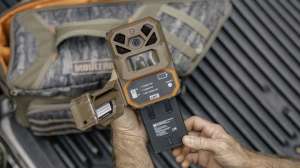
All bait sites don’t produce trophy deer, but all bait sites have a cell camera hung over them. Most big-buck chasers are using cell cameras to monitor bucks around their hunting property. With deer readily coming to corn and feeds this time of year, a hunter can really target a trophy buck using cell cams. Cell cams come down to two things: price and reliability. If they are easy to use and work great, and they are affordable, then hunters will buy multiple cameras at a time.
“We run the Moultrie [cellular] cameras,” says Slade. “They are the biggest tool in our arsenal. We’re hunting out of state mostly, so when we set our cameras up, we’re able to get the intel we need even when we’re home.”
Treestands and blinds are the other necessary components for velvet-season hunters. Being fully stocked with hang-on stands, climbers, saddles and ground blinds by early July is key to early sales.
If You Can’t Take the Heat, Wait for October
There’s no hanging deer overnight unless you’re set up with a walk-in cooler during velvet season. A harvest now means fast gutting and meat removal to get meat cooled and on ice. Don’t forget, insects are a big problem now, and venomous snakes are in full effect in the areas they inhabit. Be sure to be stocked up on the essentials for hot-weather hunting during this time.
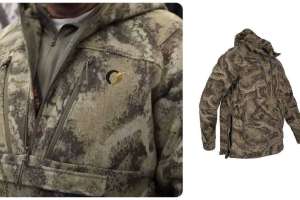
Apparel is a must-have for any hunting excursion, but a velvet hunt will not require heavy outer layers and warm-weather gear. Hunters will be looking for as few clothes as possible when sweating out afternoon hunts. Concealment is still a big factor, so staying covered from head to toe is a must, but make sure the apparel is functional for hot weather. It needs to let the body heat out while also wicking sweat away from the body to stay cool.
Today’s high-tech apparel also includes built-in insect repellents and fabrics designed to keep biting insects away from the skin. Sitka Gear offers a full line of turkey-hunting apparel that includes permethrin repellent that will last up to 500 washes. The fabric is also knitted so that mosquitoes can’t penetrate it with their proboscis. This line of clothing is also lightweight for warm weather. Other performance apparel brands carry similar gear.
If clothing doesn’t have a built-in repellent, it’ll need to be treated with one. Permethrin is a good choice for pre-treating clothing. This insecticide is safe for skin once it dries on clothing but will kill harmful ticks and other disease-carrying insects. You’ll also want to stay stocked up on Thermacell units along with the fuel replacements and repellent cartridges for mosquitos.
Don’t forget to carry boots and leg gaiters designed to protect from venomous snake bites. If there is one thing people have an unhealthy fear of, it’s the presence of snakes. There doesn’t even have to be a snake around for people to be scared senseless of them. So, sell them some insurance with snake-proof whatevers.
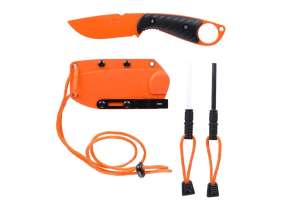
Heat is the enemy of great-tasting venison, too. Velvet season is loaded with heat, so make sure you market to the customer with this in mind. Have coolers, knives and game processing equipment visible and front of mind. Once a customer tags a velvet buck, they will have to get the meat and velvet antlers cooled down ASAP. When the temperatures are 80 to 90 degrees, it doesn’t take long at all for meat and velvet to spoil.
“I think the biggest draw is that I get in the woods sooner,” admits Johnston. “You build up so much anticipation for hunting season, and this early season allows you to get back after it.” Velvet season might not make or break your selling season, but it is an increasingly popular activity for many hunters looking to get in the woods earlier than normal. With smart marketing and relevant inventory, you can increase sales just before the main whitetail season.