
Hiring a new employee is never easy. For those who’ve never done it, or only done this a few times, it can be nerve-wracking. It’s even more so after the fact if you realize you hired the wrong person. So, ask the right questions to maximize the applicant interview process. Here are some of the best questions to ask in an interview, and why.
Note: This article is not legal interview advice. Contact an employment lawyer and consult with them before interviewing candidates for positions within your company or place of work. Follow all state and federal laws that regulate the hiring process.
Generalized Interview Questions
Some interview questions are basic and introductory. These help break the ice, learn basic things, and address other generalized topics of interest. These are important because they can help an interviewer learn preliminary information, historical details, personality details, personal goals, and more.
What are your goals?
This question addresses the basics of what motivates the applicant. With that, what motivates them can reveal some of their objectives, how long they might last, and more. What they want in life will impact their work life, and it’s important to ensure these are acceptable for the person hired to fill the role.
What motivates you, your decisions, etc.?
This is a more direct version of the previous question. That said, it can be prudent to ask the same question in multiple ways. While their answer should be similar, if answers to similar questions aren’t aligned, it could be a sign of an issue. Furthermore, you might get a more direct answer than when you asked them the previous time. This can add needed context.
Why are you leaving your old position?
Everyone leaves a job for a reason. Rarely is it not for a very direct and specific causation. So, ask the interviewee why they left, or are leaving, their old job. How they answer this can reveal much about them and/or their previous work situation. Additionally, the reason that they left their old position might impact whether or not you hire them at this business.
What are your generalized weaknesses?
Everyone has weaknesses. Those who say otherwise are liars or have overinflated views of themselves. Thus, it’s important for individuals to be introspective enough to realize their weaknesses, and strong enough to admit these, when speaking with someone. Take note if they dodge the question. Of course, ensure the weaknesses are something you can work with.
What are some good things others say about you?
This question might seem pointed, but it can further your ability to learn about one’s character. Study how quickly or slowly they respond. Watch to see if they are too eager or hesitant to answer the question. These and more are considerations when observing the response.
Where do you see yourself in 5, 10, 15 and 20 years?
It costs money to hire new employees — onboarding, training, higher salaries, and more. Developing new work relationships takes time, and can be stressful, too. Overall, getting new employees up to speed takes away from other important tasks. For these reasons, most businesses want employees who stay for the long haul.
Skill-Based Interview Questions
Some of the questions in the interview should be focused on skill level. Drilling down on the specifics of the role further ensures the individual’s skills fit the job description. If they don’t already know the job, it will require increased levels of training. Ask key skill-based interview questions to gain insight into their abilities.
What makes you qualified for this position?
Asking an interviewee what makes them qualified for the position gives them time to further explain their expertise. Furthermore, how they respond can also reveal much about them as a person. How they speak, the words they use, and the body language implemented can quickly reveal professional and personality positives, negatives, and otherwise.
What are your skills and strengths on the job?
Everyone has a definable list of skills. Ask what strengths they have that directly apply to the job. Inquire about professional strengths that will assist them in this role. Ensure these align with the company’s expectations for the position. If these are completely compatible, decide whether or not it’s worth your time to train the individual in needed areas of improvement.
What are your weaknesses on the job?
Most individuals have career-based weaknesses. Maybe they need to improve in area A, B or C. Perhaps they would like to learn more about this or that technology. Most hires aren’t 100% efficient in every area of interest. Asking them where they might improve provides additional context, and the other side of the coin, as the previous question. Of course, how they respond showcases how they see themselves.
Our company has problem A, what would you do to fix it?
Choose a real or imagined challenge or issue your business has. Maybe it’s even an industry-wide issue. Pose this as a task for the interviewee to overcome. Ask them, how would you solve this problem?
What do you offer that other candidates can’t?
This question is less about abilities and skills and more about confidence and humility. You want confident employees who are sure of themselves. That said, they shouldn’t be overconfident. Plus, they should be able to communicate well enough to express that confidence in a calculated, eloquent, and humble manner.
What makes you a unique hire?
Everyone is unique. From one to the next, we’re all vastly different. That’s true personally and professionally. So, ask the interviewee what makes them who they are. This can provide additional insight into their psyche. Plus, personality types matter. You and other current employees might get along with personality A better than B, or vice versa. Finding the applicant that fits best is almost as important as finding someone who’s skilled and qualified.
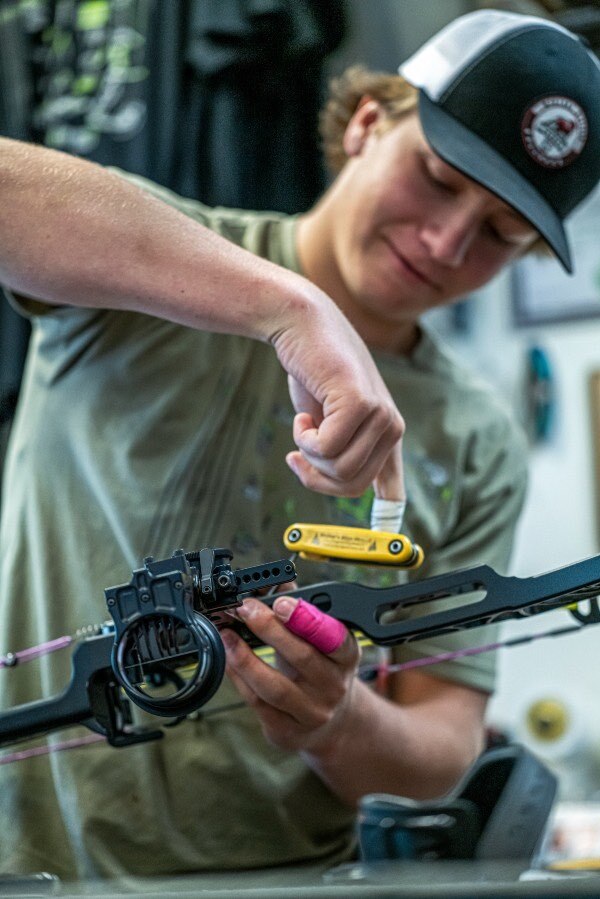
Archery-Based Interview Questions
Assuming your business is an archery and/or hunting store, it’s important to ask archery- and hunting-based questions. These display how long they’ve enjoyed the outdoors personally and how long they’ve worked in the space professionally. Both are important, because you want someone who knows their craft and enjoys what they do.
How long have you been shooting archery equipment?
The number of years someone has shot archery equipment doesn’t fully indicate their knowledgebase or skill level. Asking about it can start the process of understanding where these are at, though. It can also help understand their level of passion for archery and hunting.
What do you know about modern bows, archery accessories, and other gear?
Now, you’re getting into the nuts and bolts of the archery craft. Ask them what they know about modern bows, archery accessories, and other gear. Determine their level of expertise in hunting. Whatever is important to the role you’re hiring them for, ask archery-, hunting- and other skill-based questions.
What bow brands do you have experience working with?
Given that most shops specialize in certain bow brands, it’s perfectly viable to ask what brands they’re familiar with. If hiring an archery tech, asking what brands they feel comfortable operating on is direct involvement with the job at hand and helps gauge if they’re the right fit for your business. Of course, if hiring someone other than an archery tech, tailor the questions to fit that position.
How have bows changed in the past 5, 10, 15 and 20 years?
It’s important to ask verifying questions. In essence, these are “prove it” questions. While it’s also OK to administer a written or oral test, certain interview questions can get at this, too. For example, asking how bows have changed in recent years, with a train of specific follow-up questions after that, can pinpoint how much someone knows. Also, if they don’t know, how they respond to a question signals important information about them, too.
What’s the difference in product or technology A and B?
Another “prove it” question, choose two different archery products or technologies. Ask if the individual is familiar with these. Then, prompt them to explain the difference between the two. Ideally, they’ll list off basic and more nuanced differences to express their detailed understanding.
What are three current trends in archery and bowhunting?
Every industry has trends. The archery and bowhunting sectors aren’t any different. If the applicant is plugged into the lifestyle, they’ll know of important trends in these fields. Ask them to name off a few, express their knowledge of these, and provide their stance and viewpoints.

Human-Interaction Interview Questions
People often spend more of their waking hours with co-workers than with their own family. Because of this, it’s important to get along with colleagues. Working with people who don’t get along isn’t good for anyone. Those directly involved, or merely adjacent bystanders, are negatively impacted by interpersonal issues. So, ask interview questions that might weed out potential conflicts.
Can you give me an example of how you overcome a challenging situation with a co-worker?
At some point, most professionals have an argument or disagreement with a co-worker. Ask the applicant to provide an example of how they resolved a challenging situation with a colleague. The manner in which they respond exhibits a lot about their personality, mentality, values, etc.
Can you give me an example of how you overcame a challenging situation with a customer?
If the job is a public-facing position, it’s important the individual is good with customers. Anyone who’s worked retail knows customers aren’t always easy to deal with. How they overcome challenging situations, and how they communicate with customers (good and difficult alike) is a key thing to know.
Explain a scenario where you really helped a customer. What did you learn?
Most people are proud of their successes. Use this question to gauge their self-confidence, which should be present, but should never approach egotistical. Inquire about how they’ve helped former customers, and what they learned from that.
Explain a situation where you failed a customer. What did you learn?
Likewise, everyone has failed at some point. Prompt them to explain a situation where they failed a customer. How did they respond? What did they learn? These responses can be telling, too.
How do you handle constructive criticism from a supervisor?
Growth should be part of everyone’s career trajectory. Learning new skills, honing existing ones, and otherwise improving as professionals, is a part of life in the workplace. If they can’t handle appropriately delivered constructive criticism, they might not be the best fit.
Role-Based Interview Questions
The person you hire will be a member of your team. It’s crucial that they become a good fit alongside you and the others. Ask role- and team-based interview questions to peel back important layers.
From your perspective, how can we improve as a business?
This is an opportunity for the individual to display their ability to be tactful in their communication. They need to find a viable response, articulate it wisely, and deliver on the dialogue. It should leave you feeling impressed by their tact and confident in their abilities.
Are you looking for a job or a career?
Asking if they’re looking for a job or career can reveal their mindset and view of the open position. It can also indicate how long they plan or hope to be in this role. This is important when looking to hire someone for the long haul.
What are the most rewarding elements of this career field?
It’s important for people to enjoy what they do. This includes being able to identify rewarding elements of working in a specific career field. Attempt to identify key examples they provide.
Why do you desire to work at this organization?
Everyone has reasons for applying for a job. Most of the time, they state money, growth, family support, etc. That said, pay special attention to those who provide surprisingly unique examples, as well as those who detail more specific answers.
Why should we hire you for this position?
This tends to provoke answers ranging from humble responses up to egotistical self-righteousness. Hopefully, the interviewee outlines reasons they make a great hire, but in ways that don’t leave an unsavory taste in your mouth.
Left-Field Questions
Consider ending the interview process with one or two left-field questions. Maybe even use one at the beginning to break the ice. These are silly, light-hearted questions that can help everyone relax.
Example: If you could be any animal for a day, what would it be and why?
Maybe they give direct, matter-of-fact responses. Perhaps it’s more philosophical. The responses to these questions are more than pointless banter. These can help you to learn what you’re getting with this potential employee.
Do they laugh and appreciate the question? Hopefully they’re light-hearted people, are enjoyable to work with, but still take their job seriously.
Do the questions catch them off guard? If so, it might signal a lacking ability to overcome curveballs in the workplace.
"Do You Have Any Questions?"
Finish the interview by asking the interviewee if they have any questions, and be prepared to answer (see sidebar below). Prep yourself to answer common questions posed by job applicants. Do that, and ask important questions of your own, and it should be a positive interview experience.
Sidebar: Questions to Anticipate from Interviewees
Most people have questions for the company as well. Those conducting interviews should anticipate certain ones. Think about common questions, and nuanced questions aimed at relevant niches, to better prepare for interviewing other people. Some questions to remember include:
- What does a workday look like?
- What are the current and recent challenges of the company?
- Who are your direct competitors?
- What are some of the challenges I’ll face here?
- What are the company’s values?
- Does the company value, promote, or insist on work-life balance?
- Who will I be working with?
- Who manages the team I’ll work on?
- Which department will I work in, and who manages it?
- What is success in this role judged by?
- Is there room for growth and promotion from within?
- What resources are available for continued education and training?
- How long do employees typically stay here?
- What is your favorite thing about working here?
- How does the company treat spouses and families?
- Where might I expect the company to be in 5, 10, 15, and 20-plus years?
Sidebar: Follow the Rules
There are strict rules when interviewing people for roles within your organization. State and federal laws regulate and prohibit certain topics from being discussed. Examples include certain protected personal matters, including age, gender, ancestry, origin, color, race, disabilities, medical history, and more. Other off-topic things include religion, marital status, family plans, number of children, personal responsibilities, etc. And prior salaries, financial situations, military involvement, and others, are generally not allowed, too. Always avoid directly prohibited interview questions, and even those that might land somewhere in the gray. Stick to the rules and interview people the right way.
Photos by John Hafner