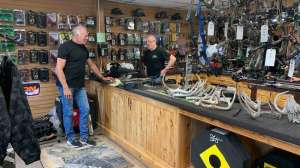

Inventory is critically important. If you buy too much or too little, you won’t be successful or efficient in managing your archery business. In fact, a poor inventory strategy could ruin your business altogether, causing financial trouble and eventually a lost dream.
To avoid all this, learn how to buy and sell wisely. With that in mind, here are some important do’s and don’ts for maintaining a productive inventory plan.
Know What to Buy
You should constantly be asking yourself, I may like this product but will the customer? There’s no doubt, a high-quality, proven product that you’ve used yourself is important to keep in the showroom, but will it sell? Is it what customers are looking for?
The best way to know is to track historical sales data and do your homework when it comes to new products and related media campaigns. One of the biggest hiccups is when shop owners or managers venture off to the industry trade shows, look over new product launches for the year, and fall victim to manufacturers’ sales pitches and “special show pricing.”
“There are great deals to be found at the trade shows every year, but you have to be cautious,” said veteran archery shop owner Jim Velazquez. “If you buy too much of a particular product, there’s a good chance you’ll be stuck with it at the end of the season. This will surely cut into your profit margins for the year, causing losses.”
Every year, new products flood the market and experienced archers are quickly drawn to the latest and greatest in bows, arrows, broadheads and archery accessories. Shop owners are usually pretty savvy and can spot an innovative product from something that’s not so great. This is good, but you still need reassurance it will sell, despite what you think is great or even ground-breaking.
“New products are unproven in the market and this can be risky,” said Velazquez. “I’ve learned the hard way, so I always want to know more about the manufacturer’s plans for advertising. If they have a strong media plan for the new product, then I’ll feel much more confident about buying at bulk pricing. If not, then I’ll tread cautiously and buy less.”

Stock Up Incrementally
One key is to buy inventory incrementally, or a little at a time, all to avoid overstocking. In other words, let customer demand determine your buying habits.
“For quick turn-arounds and low quantities, I prefer to buy products from reputable archery distributors,” said Velazquez. “Sure, the cost is higher, but it prevents overstocking problems, which I don’t want.”
When it comes to bows and arrows, these are almost always purchased directly from the manufacturer, but other items such as broadheads, arrow rests, bowstrings and other items can be bought easily from a distributor. Velazquez believes in buying more from distributors when it comes to these items, so he can keep inventory at the right level.
“My strategy is to buy about 40 percent from manufacturers and 60 percent from distributors,” said Velazquez. “It gives me the control I’m looking for to keep inventory levels and sales on par with one another. I believe this approach leads to higher sales efficiencies and better profits.”
In terms of stocking up, seasonal demand is important to note. In western states, bowhunters are typically preparing for deer and elk hunts by June and July, or sooner, given most seasons open in August and September. For Midwest and eastern states, August and September are big preparation months for the prime October and November whitetail months. These periods coincide with peak product demand and sales, and consequently, inventory levels need to follow.
“At the beginning of the year, I tend to buy directly from manufacturers, so I have what I need for specific times of the year all at a great cost,” said Velazquez. “However, as the year progresses, my approach shifts to buying from distributors, in less quantities. I simply don’t want to overstock and harm my bottom line.”
Dealing With Specialty Products
Some products are highly specialized. In other words, they are made from high-quality materials and manufactured to precise tolerances. This makes them deadly for improving an archer’s accuracy and hunting confidence. Two great examples are target-grade release aids and slider-type bowhunting sights — both are somewhat expensive and specialized, and this can cause problems for a shop’s inventory plan. So, what’s the best approach for managing these types of products?
“It comes back to knowing your customers and what’s in demand,” said Velazquez. “Either way, you have to be mindful of price and quantity, and stock only what you need by buying smaller amounts at the beginning of the year.”
With specialized items, such as a high-grade release aid, Velazquez prefers to put a demo on display, so customers can handle the product and test-shoot it. As far as inventory goes, he keeps limited quantities of the product on hand. When one sells, he’ll promptly order a replacement, typically from a distributor.
“For specialty items, I would never have more than two units in backstock,” said Velazquez. “I really appreciate companies that recognize the inventory challenges dealers face and are willing to offer programs to prevent overstocking and overspending. For example, some bow companies allow you to buy three to six units at dealer cost, instead of having to buy 12 or more units to close the deal. Buying too much, and especially too much of the wrong thing, can really hurt the business, so be careful and shop wisely.”
This is a great way to manage bowhunting optics as well, said Velazquez, such as binoculars, rangefinders and spotting scopes. Fortunately, some manufacturers offer great incentives to assist the dealer. For example, Velazquez mentioned Vortex Optics and the company’s approach to providing dealers with a wide-range of commonly sold optics, along with low quantities or demo models of more specialized optics. As units sell, the company then quickly resupplies what’s needed to keep you stocked up with customer demand. Such programs are cost-effective while giving your store a higher diversity of products — a win-win for you and your customers.
“You simply don’t know what you are going to sell, especially with products like optics,” said Velazquez. “You don’t know if you’ll sell more 8- or 10-power binoculars, or binoculars with 32 or 42mm objectives, so don’t try to guess. It’s best to order just what you need and to buy incrementally.”

Be a Salesperson
Stocking the right type and level of inventory is fundamental for running a successful business. But thoughtful sales tactics play a role in all this, too, since they will help you move inventory more quickly.
“One of the worst sins a shop representative can commit is to just be an order taker,” noted Velazquez. “Instead, be a salesperson. Be innovative in your own mind, by showing the customer how products work and how they can be combined with other accessories. By being innovative and talking with the customer, you can better educate and support the customer. This leads to conversations that help you sell more products, but it’s not done in some abrupt or awkward way. It’s very natural and elegant, and it works while helping you and the customer.”
Final Thoughts
There’s a lot that goes into running a successful pro shop, but few things can be more important than effectively buying and selling products. In some ways, there’s a lot of art that goes into estimating the amount of inventory you’ll want on hand, while being cautious not to purchase too much backstock, which could end up hurting you financially. To develop a good inventory plan, heed the advice in this article and watch your business speed along and deliver just what customers are looking for.
Sidebar: Pay Attention to Trends
As a shop owner, it’s critical that you know your customer base. The best way to do this is to listen to what customers are saying, so you can provide what they want. Again, it’s not just about what you think, it’s about what the customer thinks and wants.
“Rule No. 1: The customer is always right,” said veteran archery shop owner Jim Velazquez. “You want to help the customer in any way you can, especially when they are asking for something in particular.
“The worst is when customers ask for something and you don’t carry it or know much about it. I often use a logbook to keep track of what people are saying as they come into the shop.
“For example, if a guy comes into the shop and says he just read about some arrows in a magazine and now wants to give them a try, but I don’t know anything about the product, I’m going to make a note of this conversation. When multiple customers ask for the same thing, you can bet I’m going to do my research and get that product in stock. It’s all about keeping customers happy.”
Bottom line, tracking trends will help your pro shop stay more competitive while preventing customers from shopping elsewhere. So do all you can to deliver what they want.