Ask most serious hunters what their go-to hunting rifle is and you’ll most often hear them touting one of the various brands of bolt-action rifles. When asked why, the most common response is that these rifles are simply the most accurate.
For years, the AR platform wasn’t even a consideration for numerous reasons — but accuracy probably topped the list. More and more often, though, hunters will mention one of the various AR platforms on the market today.
There’s no denying that the AR platform has become one of the most popular firearms in the world. What many people might not realize is that the ARs we see today are a far cry from the originals. The difference in accuracy between a modern AR platform and the ones first introduced decades ago is nothing short of impressive. To understand these advancements, you need to first take a look at the original AR-15/M16 platform.
The first AR-15 rifles, designed by Eugene Stoner in the late 1950s, were revolutionary for their time. Lightweight and built with innovative materials like aluminum, they were a departure from the heavier, often wood-stocked rifles that preceded them. However, when it came to accuracy, those early models left a bit to be desired. Groups of 6 MOA and larger were not uncommon. The standard-issue rifles had military-grade tolerances that prioritized reliability over pinpoint precision. The early barrels, made from materials that weren’t quite as refined as today’s options, weren’t designed to produce sub-MOA accuracy. There wasn’t much good to say regarding the trigger mechanisms, either — mil-spec triggers were built tough, but they were notoriously heavy and gritty.
So, how did we move from the respectable but basic accuracy of those early ARs to the precision shooting machines we have today? One of the first major improvements came in manufacturing.
Better Parts
In the early days of the platform, AR rifles were made on large-scale production lines with significant variation between individual rifles. Today, technology like CNC machining allows manufacturers to cut parts with extreme precision — some would say as close to perfection as can be made. Every piece of a modern AR rifle, from the upper and lower receivers to the bolt carrier group and associated accessories, is made with far tighter tolerances than in the past. This precision translates directly to accuracy because when all components fit together perfectly, there’s simply less room for error due to things like motion or vibration. Every shot from today’s AR platform has become more predictable.
Early AR-15 barrels were made using older steel alloys and often didn’t undergo the same level of refinement and metallurgical advancements we see today. Today, barrels are built from high-quality materials like 416R stainless steel or chrome-moly vanadium. These materials resist heat and wear far better than previous metals, meaning they maintain their accuracy over time, even with heavy use. Some barrels are also cold-hammer-forged, which makes the steel stronger and more consistent. This consistency applied to the rifling means the bullet is spun more evenly along the length of the barrel, which can be a critical component for accuracy.
Twist rate, the number of inches the rifling takes to make one full rotation, has also become more individually optimized for each rifle, depending on its intended use. The original ARs had twist rates that worked well enough for the standard military rounds but weren’t exactly ideal for heavier, longer, and, from what we’ve learned in the recent past, more accurate bullets. Today, you can choose from a variety of twist rates to match your ammo preference, allowing you to fine-tune your setup for the best possible performance. For instance, a 1:7 twist rate works better for longer, heavier bullets, while a 1:9 or 1:8 can be ideal for lighter bullets. This flexibility in barrel options plays a huge role in the improved accuracy of modern ARs.
Triggers are another area where the AR has seen massive improvements. The original mil-spec trigger is, for lack of a better term, rough. It was designed to be durable and to function reliably in combat conditions, but it certainly wasn’t built for precision shooting. It was made to function in mud, dirt, dust, humidity and even complete saturation. Today, the market is flooded with drop-in triggers that offer crisp, clean breaks and much lighter pull weights.
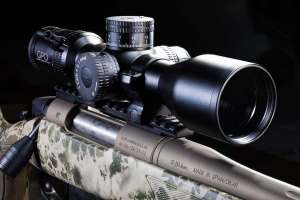
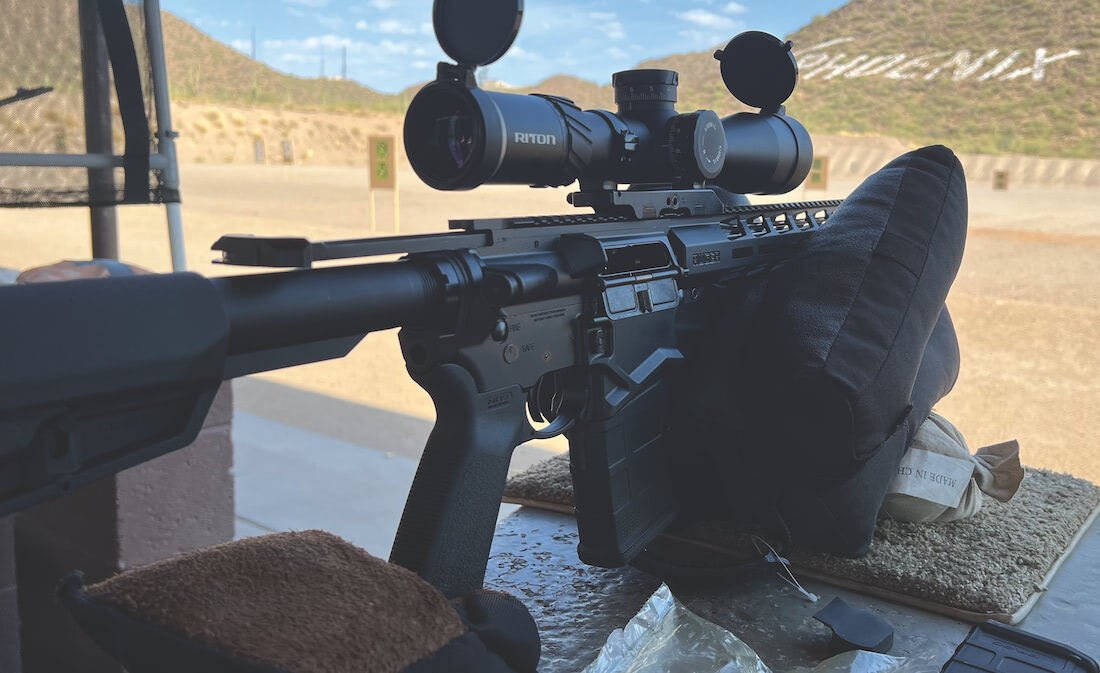
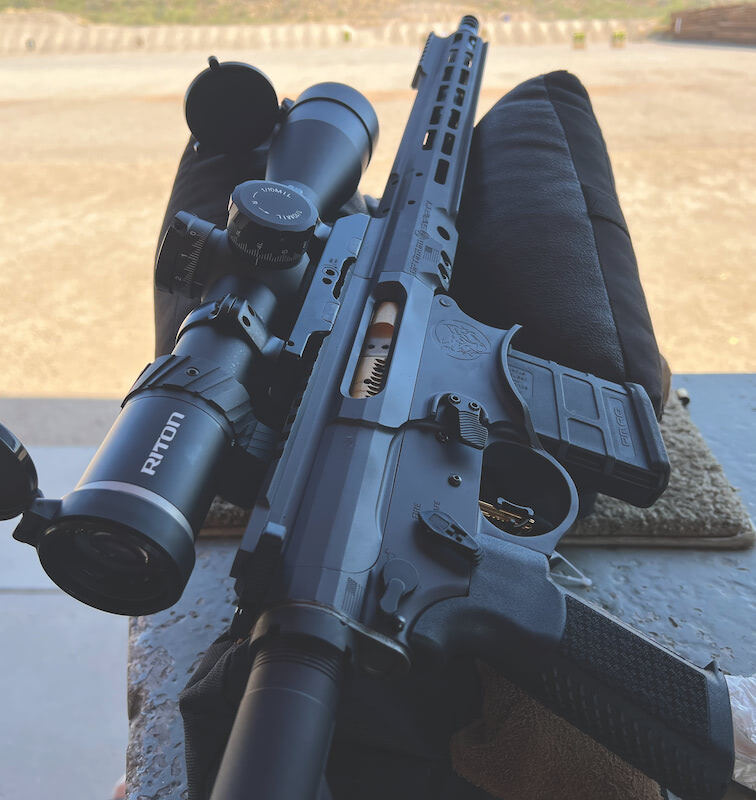
Optics have also come a long way. Back in the day, most ARs were equipped with iron sights or sometimes very basic scopes. Today we have a whole new world of optics specifically designed for the AR platform, which makes shooting at both close and long distances much easier. Red-dots, holographic sights and magnified optics have taken much of the guesswork out of aiming. Advanced optics like those from Leupold, Riton, Meprolight, Vortex and Trijicon offer crystal-clear glass, precise reticles, the tightest available tolerances and rugged durability, all of which can contribute to better accuracy. The advent of finely adjustable turrets in optics — both MOA and MRAD — allows shooters to fine-tune their shots based on range and wind conditions in ways that simply weren’t possible with earlier scopes.
Another factor that has improved accuracy is the overall weight and balance of modern AR platforms. Original ARs were relatively lightweight, but they didn’t always have the ideal balance for precision shooting. Today’s rifles often feature free-floating handguards, which don’t contact the barrel, reducing the amount of deflection caused by external forces like resting the rifle on a barricade. This free-floating design allows the barrel to “do its thing” without interference, further enhancing accuracy. AR platforms are often supplied with adjustable stocks that allow better fit based on the shooter’s size or even shooting situation.
A great example of these advancements is POF, which has been pushing the boundaries of AR function and accuracy since its inception. These rifles are known for innovative designs that incorporate cutting-edge materials and manufacturing processes. The POF Revolution is chambered in .308 but maintains the same size and is close to the same weight as a traditional AR-15 — it’s even lighter than some currently on the market. The accuracy of the Revolution is nothing short of outstanding, with most reports of sub-MOA groups right out of the box. Part of this is due to their proprietary barrel design and precision machining, but their drop-in triggers and enhanced bolt carrier groups play a role as well.
Build Options
The rise of custom-built ARs also plays a part in the accuracy equation. Back in the day, you bought a rifle off the rack, and you essentially “got what you got.” Today, you can mix and match parts to your heart’s content, building a rifle tailored to your specific needs. Whether you’re swapping out barrels, upgrading triggers, adding lights and optics, or installing a new stock, modern shooters have access to a dizzying array of options that simply weren’t available in the early days. This level of customization is another reason why today’s AR platforms are so much more accurate than their predecessors.
Let’s not forget about today’s ammunition. In the early days, ARs were primarily chambered in 5.56 NATO, and the ammo was made to meet military specs — reliable, but not always the most consistent in terms of accuracy. Today, we have match-grade ammunition in a plethora of calibers. Some, such as the 6.5 Creedmoor, are designed specifically for precision shooting. These rounds are made to tighter tolerances, with more consistent powder loads and bullet weights. Combined with a rifle that’s built for accuracy, the difference in performance is night and day.

Real Contenders
So, which are the most accurate AR platforms on the market today? We've already touched on POF, but they’re far from the only company pushing the boundaries of AR accuracy.
The 51Fifty Apex Series Evolve-15 stands out in the crowded AR market with its remarkable blend of precision and innovation. One of its key advantages is its sub-MOA accuracy, which has been proven in numerous outside accuracy tests, making it an ideal choice for shooters who demand pinpoint accuracy right out of the box.
This rifle incorporates several cutting-edge technologies that set it apart from the typical AR platform. For starters, its custom barrel is precision-machined using aerospace-grade materials, which not only improves durability but ensures consistent shot placement even under sustained fire. The free-floating handguard minimizes barrel interference, and the use of advanced materials keeps the rifle lightweight without sacrificing strength. The Evolve-15 also features a match-grade trigger with a crisp, clean break that significantly enhances shot predictability compared to standard mil-spec triggers. Additionally, the gas system is optimized to reduce recoil and improve cycling reliability, making follow-up shots faster and more accurate.
Finally, 51Fifty's Rapid Action Cam system is an innovative feature that enhances the reliability and smoothness of the AR platform's cycling. It uses a cam track system that reduces friction between the bolt carrier and the upper receiver, resulting in a stiffer action. This design also helps minimize wear on internal components, improving the rifle’s durability and reducing the amount of maintenance required over time. It provides a more seamless shooting experience with tighter and better-maintained tolerances over time, which also contributes to long-term accuracy. Overall, the Evolve-15 combines cutting-edge manufacturing with a shooter-centric design, offering a level of performance that’s tough to match in the AR world.
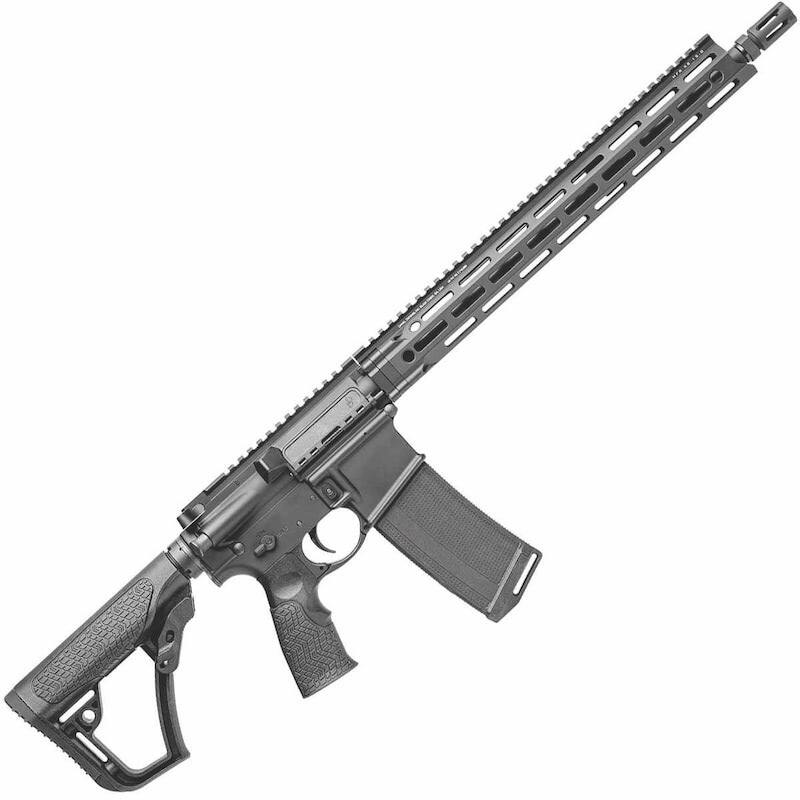
Another strong contender is the Daniel Defense DDM4 V7, a favorite among precision shooters. Built with a cold-hammer-forged barrel and a free-floating handguard, the DDM4 is capable of incredible accuracy, especially when paired with a quality optic. The Geissele SSA trigger that often comes standard on these rifles is another standout, offering a smooth, predictable pull that enhances shot consistency.
The Ruger SFAR is a standout for its overall build quality, availability of calibers and affordability, making it a favorite of AR shooters. The rifle’s cold hammer-forged barrel, crafted from chrome-moly steel, ensures durability while maintaining tight tolerances for consistent shot placement. This precision barrel, combined with a ballistically superior round such as a 6.5 Creedmoor, results in exceptional accuracy. Ruger also equipped the SFAR with a smooth, crisp, two-stage trigger, which further enhances accuracy by providing a predictable, light trigger pull. Altogether, the Ruger SFAR delivers an impressive balance of quality, reliability and accuracy.
The evolution of the AR platform has been nothing short of remarkable. From the early days of the basic, mil-spec rifles to today’s finely tuned precision instruments, the advancements in accuracy are undeniable. Whether it’s the improvements in manufacturing, the introduction of higher-quality barrels, better ammunition, the rise of drop-in triggers, or the explosion of advanced optics, today’s AR platforms are some of the most accurate rifles on the market.
With today’s high-quality ARs, you’re getting a rifle that will put rounds exactly where you want them — shot after shot.