
I’d always been fairly shy around strangers. I wasn’t one to chat up strangers in grocery-store lines, and I clung to people I knew during large social gatherings. I was never a slick talker in high school or college, turning into a stammering idiot when approached by a handsome lass or asking a girl to dance at a party. Public speaking always gave me the willies — it was a curse and a trait that no doubt negatively affected my business dealings.
Now, it’s interesting to note I was a guide/outfitter for 23 years and this problem never surfaced in that context. I could easily handle the most aggressive corporate overlord or world-renowned neurological surgeon with complete aplomb, despite the obvious fact these people were definitely strangers at the beginning of every hunt.
But when my quality-engineer wife was unexpectedly laid off from a military contract job and our financial situation became dire, I was suddenly thrust into the environment of hunting retail as a second job and that shyness came rushing back in force. Serving folks on the sales floor (answering equipment questions, offering suggestions, playing the salesman bit) while also dealing with occasional problem customers as a low-lever manager gave me cold sweats. But we received commission for all sales (and we needed every dollar I could garner to keep the mortgage current) and I had been put in a position of calming disgruntled customers and reaching a quick and satisfactory solution for all involved. I had no choice but to break out of my shell.
This was excruciating in the beginning. I lived with the general attitude that most customers really wanted to be left alone and felt that actually selling was a mild form of harassment. And I was painfully shy, as I’ve said. But I had a job to do. Not only had I been hired on the supposed strength of my people skills (gained through those years of guiding), but all sales were tracked and poor performance meant a potential pink slip. It was a traumatic experience for a hermit who had always lived in the boonies and worked alone.
I first had to learn to relax, to get used to the notion of approaching and chatting up complete strangers. An effective sales approach means first putting customers at complete ease, instilling a trust that allows them to open up and tell you precisely what they are looking for, what they expect from a product and what it will be used for. Those factors absolutely dictate any sale. This only happens through relaxed, give-and-take conversation.
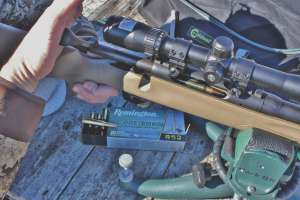
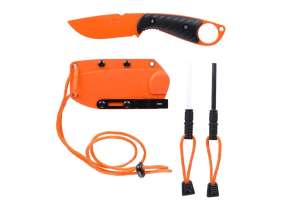
Like many revelations, I had to make a conscious decision to change. I reminded myself customers don’t walk through the doors unless they’re looking for something from us, that I was truly there to help (not just draw a paycheck and scam some commission), and perhaps most of all, that these were customers with whom I had a lot in common. They were seeking the stuff that continually occupies all dedicated hunters’ minds — guns and ammo, bows and arrows, knives, camo and boots, scent-control products, stands, blinds, decoys and so forth. In other words, they had arrived to marvel at the goods that I, as a diehard hunter, contemplated on a daily basis.
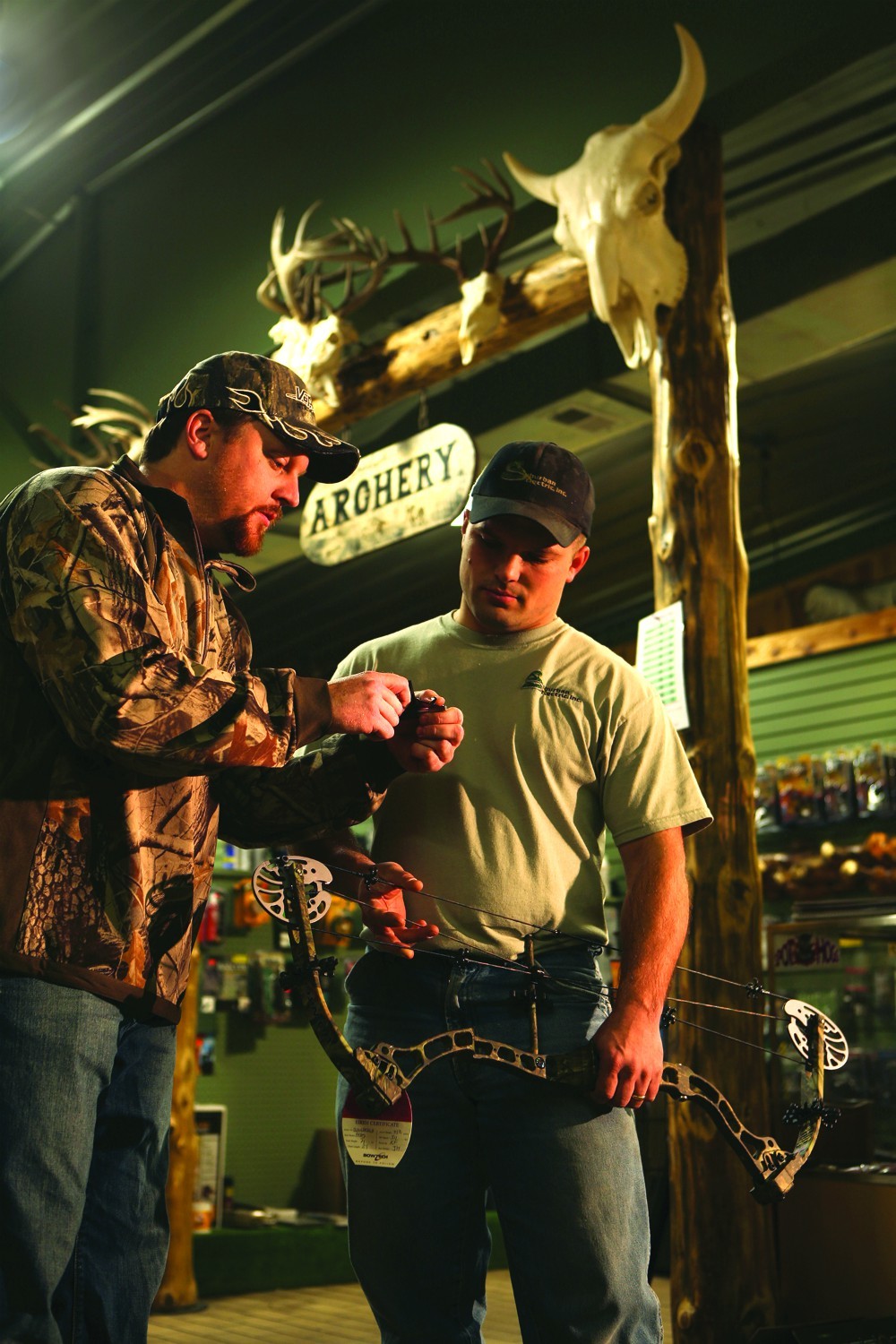
I also reached deep to retrieve a confidence I had overlooked. It was the same confidence that had carried me through all those years of guiding powerful people — I knew a lot they did not, or they wouldn’t have sought my services. I concluded that as a hard-core bowhunter, varmint shooter and general outdoorsman, I had thoroughly tested much of the product we stocked and had learned what worked and what did not. I had solid advice to offer. I had more real-world, hands-on hunting experience than the vast majority of the customers arriving on our doorstep. I truly did have something to offer. The fact I regularly produced in-depth write-ups on much of the hunting gear in our displays also greatly boosted confidence.
Combining that thorough knowledge with an attitude of greeting like-minded friends turned things around for me. Within two months I’d become one of the store’s top salesman, adding $350 to $450 additional dollars to each bimonthly paycheck. Once over the hump, my job became infinitely easier. Wifey found it hilarious when I began chatting up strangers in grocery-store lines and at gas pumps. Social familiarity had dissolved my shy demeanor.
How you find that social acumen will likely differ from my route, but there is no way around the fact that customers are strongly drawn to friendly confidence. Some sales associates are natural talkers, “social butterflies” who jump right in. Others might need to make a concerted effort to better understand the product they sell by studying manufacturer literature. Now I’m certainly not suggesting abject arrogance, which should be avoided at all costs. No one likes the haughty know-it-all, especially those who talk down to people — the gun-counter curmudgeon who scoffs at any preference not mirroring his own, or the employee who infers how obtuse a customer is and how all-knowing they are. Remember, this should be no different than addressing old friends.
This friendly, honest confidence — no matter if you are an independent shop owner or an entry-lever sales-floor grunt — is guaranteed to snowball sales and commissions if you earn them. After a year in that sporting goods store, I became the go-to guy many repeat customers sought out when contemplating major purchases. This further expanded my take-home pay, but it also reflected well on the store. This is the epitome of customer service and what sets your store apart from other outlets and keeps cash registers singing.
Our financial circumstances eventually turned around, and I left that retail setting to return to my preferred vocation. Yet that retail experience has stuck with me. I’m now completely relaxed while talking to most strangers, namely people in a position to relinquish largess. With debilitating shyness left in the rearview mirror, doors began swinging wide open in other areas of my professional life.