Running a firearms retail business is about more than just selling guns and ammunition; it’s about fostering a responsible and informed customer base.
One powerful way to achieve this is by partnering with a qualified attorney to host seminars and classes on legal matters related to firearm ownership, self-defense, and hunting. The legal landscape surrounding firearms is complex, and many gun owners may not fully understand the potential consequences of their actions until it’s too late. By addressing these issues proactively, both retailers and attorneys can provide immense value to their communities.
The Complications of Self-Defense
Self-defense is a right, but it’s also a legal minefield.
Even when a firearm owner believes they acted justifiably, they may still face criminal charges or civil lawsuits. Let’s look at some real-world examples that highlight these challenges.
Theodore Wafer’s 2013 case in Michigan is one such example. Wafer used his shotgun to shoot a young woman, Renisha McBride, who knocked on his door late at night. Believing she was an intruder, Wafer acted in what he claimed was self-defense. Despite his intentions, he was charged and later convicted of second-degree murder. This case highlights how the legal system may interpret actions differently than a firearm owner intends, emphasizing the need for a thorough understanding of self-defense laws.
Another highly publicized case is that of George Zimmerman, who, in 2012, shot Trayvon Martin in Florida. The case stirred up tremendous controversy on everything from the victim’s race to what many armchair quarterbacks believed “should have been done” in the scenario. While Zimmerman was eventually acquitted, the trial dragged on for months, exposing him to enormous financial, emotional, and reputational strain. The complexities of "stand your ground" laws and public scrutiny added to the difficulties, offering a sobering lesson on the stakes involved.
The 2018 Michael Drejka case further illustrates this point. Drejka, who was involved in a parking lot dispute in the state of Florida, shot Markeis McGlockton, claiming self-defense under the state’s self defense laws after McGLockton shoved him to the ground in an altercation over his illegally parked car. Drejka was convicted of manslaughter on August 23, 2019, and was sentenced to imprisonment for 20 years on October 10, 2019, showing how even those relying on well-known legal protections can face severe consequences. These cases demonstrate that no matter how clear an incident may seem, it can lead to costly and life-altering legal battles.

Little-Known Laws That Often Cause Trouble
In addition to the complexities of self-defense, firearm owners often find themselves unintentionally breaking lesser-known laws, which can lead to severe consequences. For instance, federal law prohibits having a firearm on post office property, even if it’s unloaded and locked in a case. Many people unknowingly violate this rule by simply leaving a firearm in their car while running errands. Similarly, firearms on school property are a significant legal hazard. Even if the weapon is secured in a locked case and never leaves the vehicle, this can constitute a serious offense in many states. All of these laws are strictly enforced, vigorously prosecuted, and violations can and often do lead to criminal charges, hefty fines, jail time and often the loss of firearm ownership rights. Some states such as New York also have intricate transportation laws regarding firearms whose nuances are easily (and some would say intentionally) confused and confusing. Simply crossing state lines with a firearm—even when following federal guidelines—can lead to legal trouble if some certain and often ambiguous state-specific regulations aren’t met. These little-known laws illustrate why education is crucial for firearm owners to avoid unintentional violations that could upend their lives.
The Costs of Legal Defense
The financial and personal costs of defending oneself in court can be staggering. Legal representation alone can range from $150 to $500 per hour, depending on the attorney's experience and location. For self-defense cases involving firearms, total legal fees often reach $50,000 to even in excess of $100,000, particularly if the case goes to trial. This doesn’t account for additional expenses such as expert witnesses or private investigators, which can add tens to even hundreds of thousands of dollars to the final bill. Beyond legal fees, there are hidden costs that many don’t consider. Being charged with a crime frequently leads to job loss, especially in professions requiring public trust or security clearances. Without a steady income, covering legal expenses becomes even more challenging, compounding the financial strain. Other out-of-pocket costs include bail, which can range from a few thousand dollars to over $100,000. Even with bail bonds, the non-refundable fees can significantly impact a defendant’s financial stability. Additionally, reputational damage—whether the individual is found guilty or not—can have lasting effects on their personal and professional life.
Legal Issues in Hunting
Hunting is a significant part of firearm ownership, yet it comes with its own set of legal challenges. Trespassing, for instance, is a common issue. Even unintentional trespassing can lead to fines, strained relationships with local landowners, and in some cases, lawsuits. States often have stringent laws regarding property boundaries, and ignorance is rarely a valid defense. Firearm accidents during hunting trips also pose legal risks. Whether due to negligence or miscommunication, these incidents can result in serious injury or death, leading to both criminal charges and civil litigation. Beyond the immediate emotional and physical toll, these cases often involve years of legal proceedings.
Game violations are another area where hunters can inadvertently find themselves in legal trouble. Regulations regarding bag limits, hunting seasons, and weapon restrictions are strict, and violations can lead to hefty fines, equipment confiscation, and long-term loss of hunting privileges. Some states also participate in reciprocal agreements, meaning a suspension in one state could result in a loss of hunting rights nationwide. For many, this can be like a lifetime penalty for a single mistake.
The Benefits of Partnership
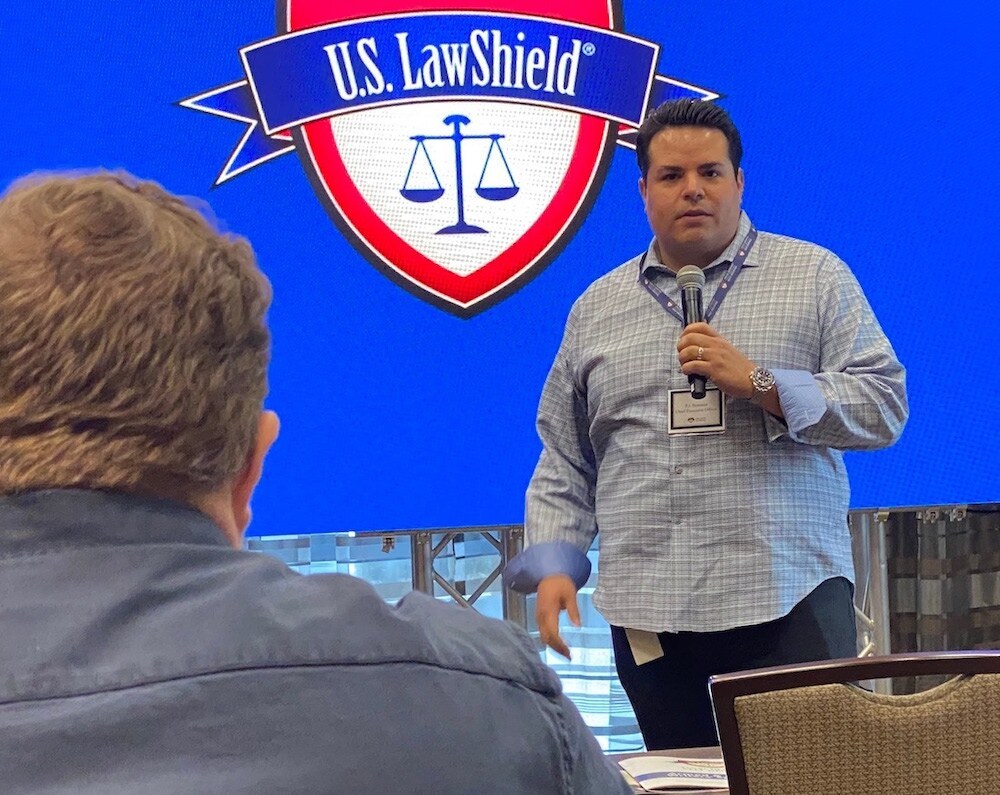
For firearms retailers, partnering with an attorney offers numerous advantages, not just for the business but also for the wider community. Hosting legal seminars and classes elevates the retailer’s role from a mere provider of goods to an integral and appreciated community resource. Customers will recognize the retailer as a trusted authority in not just firearms sales, but also in firearm education, which builds confidence, trust, loyalty and increases business. This partnership also allows the retailer to stand out from places like big-box competitors in a crowded and competitive market.
Many firearms stores focus solely on sales, but those that go the extra mile to provide additional value, interact with and educate their customers set themselves apart. Providing access to legal expertise demonstrates a commitment to customer welfare, ensuring they not only enjoy their firearms but do so responsibly and within the boundaries of the law. For attorneys, these partnerships are equally beneficial. Firearms retailers provide access to a well-defined and targeted audience. Gun owners, hunters, and enthusiasts are highly likely to require legal advice or representation at some point. Maybe it is something as simple as a traffic ticket, but it could be something as serious as a murder charge.
By working with retailers, attorneys can establish themselves as experts in firearms law, building their reputation and expanding their client base. Seminars and classes often lead to follow-up consultations and long-term relationships, creating recurring opportunities for the attorney.
Building Trust and Community
These partnerships do more than just educate; they build trust and foster a sense of community. Retailers who invest in these programs signal to their customers that they care about more than just sales. This creates a loyal customer base that values the retailer for its holistic approach to firearm ownership. Attorneys, in turn, gain credibility and visibility within the community, solidifying their status as trusted legal advisors.
When retailers and attorneys collaborate, the benefits ripple outward, creating a more informed and responsible population of firearm owners. This collaboration not only helps individuals avoid costly mistakes but also strengthens the reputation of the firearms community as a whole. Together, they can address the complexities of firearm and hunting laws, ensuring that their customers enjoy their rights responsibly and safely.